Feeders / Caged
Caged bird feeders
The least clever mechanism in the category and the most reliable. Nothing to calibrate, nothing to seize, and it works on the light animals that defeat every weight trigger.
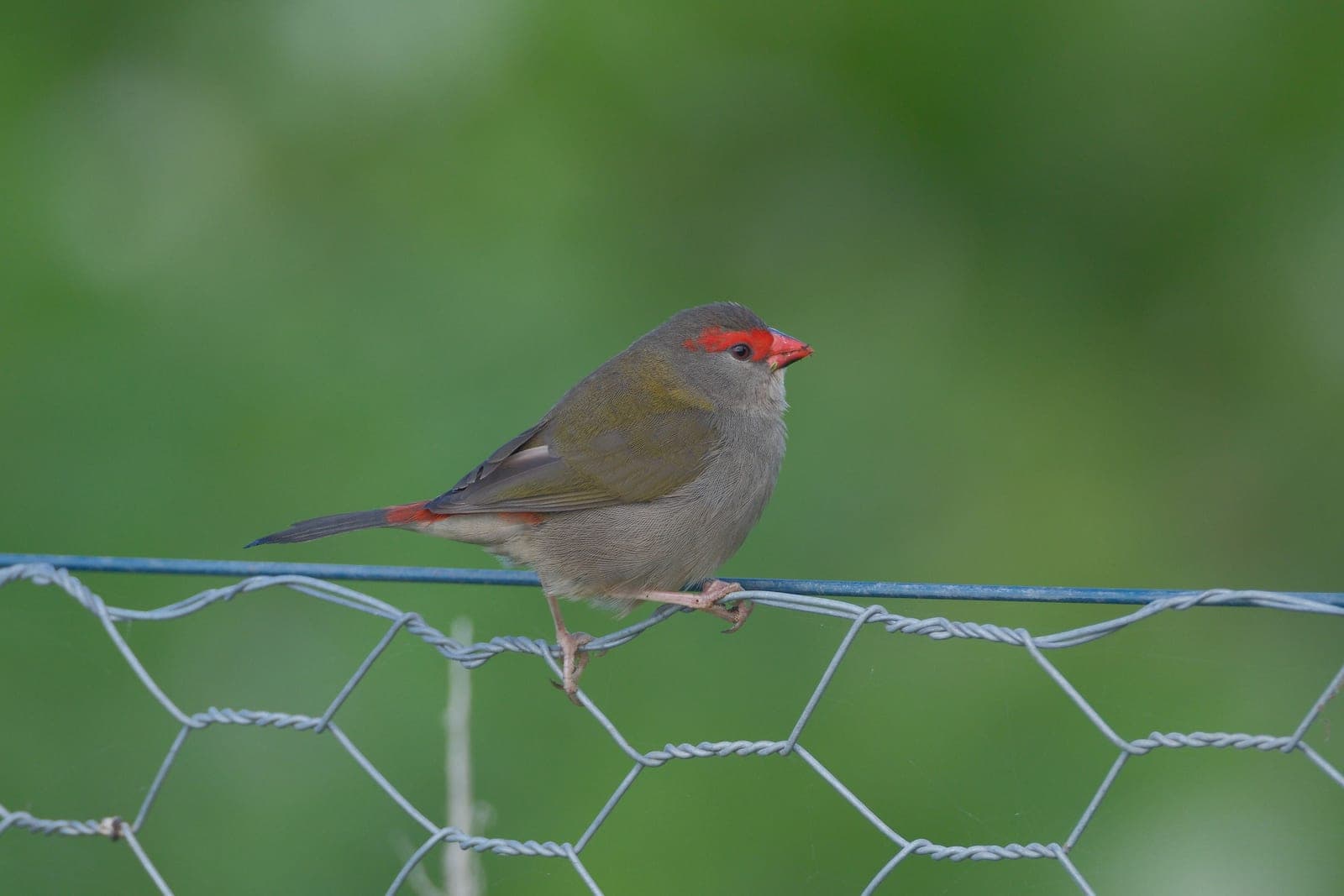
A caged feeder surrounds the seed tube with a steel grid whose gaps admit small songbirds and exclude everything larger. Because it works by size rather than weight, it stops chipmunks, red squirrels, starlings and grackles that a weight-activated feeder cannot. The cost is that cardinals and jays also struggle.
Why geometry beats calibration
Every weight mechanism has a threshold, and every threshold has animals underneath it. A cage has no threshold. A chipmunk that walks straight under a Squirrel Buster's trigger simply cannot get through a cage, and neither can a red squirrel, a starling or a grackle.
The second benefit is durability. There are no moving parts, nothing to clean beyond the feeder itself, and nothing that stops working when seed dust gets damp. A cage bought this year behaves identically in five years.
Baffleworks is funded by affiliate commission. If you buy through a link on this page we may earn a commission at no extra cost to you, and it never decides a ranking. Full disclosure · how we pick.
Quick picks
Ranked, with the trade-off named. Tap a row for the full write-up; the price button goes straight to Amazon.
| # | Product | Best for | Price |
|---|---|---|---|
| 1 |  Woodlink WLCAGE2 Designer Caged 4-Port Tube FeederA cage around a tube, which excludes by aperture rather than by weight — so it stops the chipmunk and the red squirrel a weight trigger ignores, and stops the cardinal too. | Small songbirds only | $71.48 on Amazon |
| 2 |  Girvenith Metal Caged Seed Feeder, 4 portA steel cage around an enclosed seed compartment, sized so finches and chickadees pass and larger birds do not. The cheapest honest cage on this page. | Small songbirds in a small space | $21.59 on Amazon |
| 3 |  Caged Dual-Purpose Suet and Seed FeederSuet is the format squirrels raid hardest, and a caged suet holder with a seed tray solves both problems with the same steel. | Suet and seed in one cage | $45.88 on Amazon |
#ad how we are funded · price as of October 24, 2026
The picks in full
Top pick Small songbirds only
Woodlink WLCAGE2 Designer Caged 4-Port Tube Feeder
A cage around a tube, which excludes by aperture rather than by weight — so it stops the chipmunk and the red squirrel a weight trigger ignores, and stops the cardinal too.
Published specifications
- Mechanism
- Fixed cage aperture
- Feeding ports
- 4 (published)
- Cage material
- Metal, bronze finish (published)
- Tube material
- Recycled plastic (published)
- Cleaning
- Published as easy to fill and clean
Trade-offs
- A fixed aperture does not care how heavy the animal is, so it excludes chipmunks and red squirrels as well as grays
- Metal cage rather than a coated wire basket
- The tube is recycled plastic, which is unusual honesty about material in this category
- Nothing to calibrate and nothing to wear out
- The cage excludes cardinals, jays and grosbeaks along with the squirrels — that is the trade, not a defect
- The listing publishes no cage aperture in inches, which is the one number that would let you predict exactly which birds get in
- No published seed capacity
- Plastic tube inside a metal cage: the cage protects it, but only while the cage is intact
Who it is forA yard where chipmunks or red squirrels are the problem and you are content with finches, chickadees and titmice.
Skip it ifYou want cardinals. A cage cannot be adjusted and this one publishes no aperture — the cardinal page covers why a weight trigger is the right mechanism instead.
#ad how we are funded · price as of October 24, 2026
Where these specifications came from
No. 2 Small songbirds in a small space
Girvenith Metal Caged Seed Feeder, 4 port
A steel cage around an enclosed seed compartment, sized so finches and chickadees pass and larger birds do not. The cheapest honest cage on this page.
Published specifications
- Mechanism
- Fixed cage aperture
- Dimensions
- 6.25" L x 6.25" W x 10.25" H (published)
- Feeding ports
- 4 (published)
- Cage
- Durable steel exterior (published)
- Weather
- Rainproof cover; all-weather metal (published)
- Named birds
- Finches and chickadees welcomed, larger birds discouraged (published)
- Filling
- Wide-opening metal top (published)
Trade-offs
- Publishes its actual cage body dimensions, which is how you predict which birds get in
- A fixed aperture ignores weight, so it stops the chipmunk and red squirrel a weight trigger lets through
- All-metal with a rainproof cover — no plastic tube to chew or craze
- Small enough to hang almost anywhere, and cheap enough to try
- The listing publishes the cage body size but not the mesh opening, which is the number that would settle exactly which birds fit
- Excludes cardinals, jays and grosbeaks along with the squirrels — the trade, not a defect
- No published seed capacity, and a 10.25 in body will not hold much
- 'Squirrel proof' in the title is doing more work than the cage alone can — placement still matters
Who it is forA small yard with chipmunks or red squirrels, where finches and chickadees are the birds you actually want.
Skip it ifYou want cardinals. A 6.25 in cage body is the mechanism working as designed, and no setting changes it — see the cardinal page.
#ad how we are funded · price as of October 24, 2026
Where these specifications came from
No. 3 Suet and seed in one cage
Caged Dual-Purpose Suet and Seed Feeder
Suet is the format squirrels raid hardest, and a caged suet holder with a seed tray solves both problems with the same steel.
Published specifications
- Capacity
- 2 suet cakes plus 1 lb seed (published)
- Cage
- Metal
- Tray
- Included
- Finish
- Blue (published)
- Mount
- Hanging
Trade-offs
- Two cakes plus a pound of seed covers woodpeckers and songbirds from one hanger
- The cage is also the fix for starlings on suet, which is the second complaint after squirrels
- Tray catches the seed that would otherwise feed the animals under the feeder
- A seed tray under a suet cage collects wet shell and needs emptying
- The blue finish is a strong look that will not suit every setup
Who it is forAnyone feeding suet through the cold months who has watched a squirrel carry an entire cake away.
Skip it ifYou only feed seed. You are paying for a suet cage you will not fill, and a plain caged tube does the seed job for less.
#ad how we are funded · price as of October 24, 2026
Where these specifications came from
What we would skip
A cage, if cardinals and jays are the point of your feeder
A cage sized to exclude a chipmunk is also a cage a cardinal finds awkward. That is geometry, not a manufacturing flaw. Use a weight-activated feeder with a cardinal ring instead.
What a cage costs you
Birds. That is the honest summary. The Girvenith cage names finches and chickadees as welcome and larger birds as discouraged, which is the mechanism stated plainly by the maker. Its cage body publishes 6.25 in across, which sets the scale clearly.
The standard resolution is two feeders: a cage for the small birds and the light raiders, and a weight-activated feeder with a cardinal ring for the large ones. Between them nothing is excluded that you wanted.
Cardinals are only the smallest of the birds this catches. Jays, doves and grosbeaks hit the same wall harder, and the fix is format rather than calibration — feeders for large birds works through which designs give a bird somewhere to stand.
Capacity is usually the compromise
Caged feeders tend to be small, because the cage adds bulk around whatever it surrounds. Neither the Woodlink nor the Girvenith publishes a seed capacity, and the Girvenith is a 10.25 in tall unit with four ports. Expect to refill more often than you would with a 12 lb hopper, and site the feeder somewhere you do not mind visiting.
The upside of that smaller size is mounting freedom: a light cage hangs comfortably from a shepherd's hook that would bend under a big hopper, which is why a cage is often the right answer on a hook you cannot baffle.
Cages and suet
Suet is where a cage stops being a compromise and starts being the only option. There is no weight mechanism on a suet holder to tune, and a squirrel will carry an entire cake away. A caged suet holder also solves starlings, which arrive at suet in numbers. Suet feeders covers that case.
Placement still matters, slightly less
A cage is the mechanism least sensitive to placement, because nothing about the approach route changes what fits through a grid. But an animal that can reach the feeder can still chew a plastic tube inside the cage, foul the ports and empty the tray below. Cornell's ten-foot rule is still worth following even here — the clearance guide explains why.
A cage is also the cheapest real exclusion mechanism you can buy, which makes it the natural budget answer as well as the right one for chipmunks. The cheap feeders roundup covers the value end of this shelf, including the one cage here that publishes its actual aperture.
A cage around peanuts is the same mechanism applied to the most-raided food in the yard, with the same trade-off against large birds. Peanut feeders works through it.
There is one place a cage costs you nothing at all. A bluebird mealworm feeder uses the same exclusion-by-aperture logic to keep starlings off expensive food - feeders for bluebirds covers the entrance-hole spec that decides whether it works.
How we picked
- We sorted by mechanism first: weight, cage or spin. Those three exclude different animals, and the choice between them is not a quality judgment.
- We used published figures only — seed capacity, port count, dimensions, mechanism. Where a maker publishes nothing, the spec row says so.
- We checked each mechanism against the animal it is calibrated for. A weight trigger tuned for a gray squirrel does not fire for a chipmunk, and we say so rather than implying it does.
- We named at least one product to skip on every page, with the reason.
- We have not tested any of these. How we pick sets out what that does and does not cover.
Everyone in this category says they tested twenty of these. We have not tested any, and we say so. What we did instead: read the manuals, compiled the published specifications, worked out the clearance geometry, and cited every source. The full method is published.
Questions people actually ask
- Do caged bird feeders keep squirrels out?
- Yes, and chipmunks, red squirrels, starlings and grackles as well, because the mechanism is size rather than weight. It is the most reliable exclusion in the category.
- Will cardinals use a caged feeder?
- Awkwardly at best. A cage sized to stop a chipmunk is a tight fit for a cardinal. If cardinals matter, run a weight-activated feeder with a cardinal ring alongside.
- Are caged feeders good for chipmunks?
- They are the only mechanism that works on chipmunks. Weight-activated feeders are calibrated far above a chipmunk's weight and never trigger.
- Do caged feeders need a baffle?
- Less than other feeders do, but an animal that can reach the feeder can still chew it, foul it and clear the tray below. Correct placement is still worth having.
Sources
Read next
- Weight-activated vs caged feeders
Mass versus geometry: which mechanism stops which animal, and what each one costs you in birds.
- The best squirrel-proof suet feeders
Suet has no weight trigger to tune, so the cage is the whole mechanism. Which ones, and why.
- Squirrel baffles for shepherd's hooks
Why hooks disappoint, what fits a shaft, and when a caged feeder beats a baffle entirely.
- The best squirrel-proof bird feeders
Seven feeders ranked by mechanism and published capacity, and which animal each one actually excludes.
- Squirrel-Proof Feeders
Weight-activated, caged and spinning feeders, sorted by which animal each mechanism actually keeps out.