Best Plant Protection Cage
The best plant cages and cloches
Pop-up cages and cloches ranked by published dimensions and how well the skirt actually pins down.
Scooter M.

$51.99 on Amazon
Top pick: ANC POP Pop-Up Mesh Plant Cover, 2-pack · #ad
Defend the feeder and garden
The garden war
Squirrels dig up the bulbs, chipmunks take the seedlings, rabbits clear the greens at ground level, and each of those is a different barrier. Sizing the barrier to the animal is most of the job.
Start here
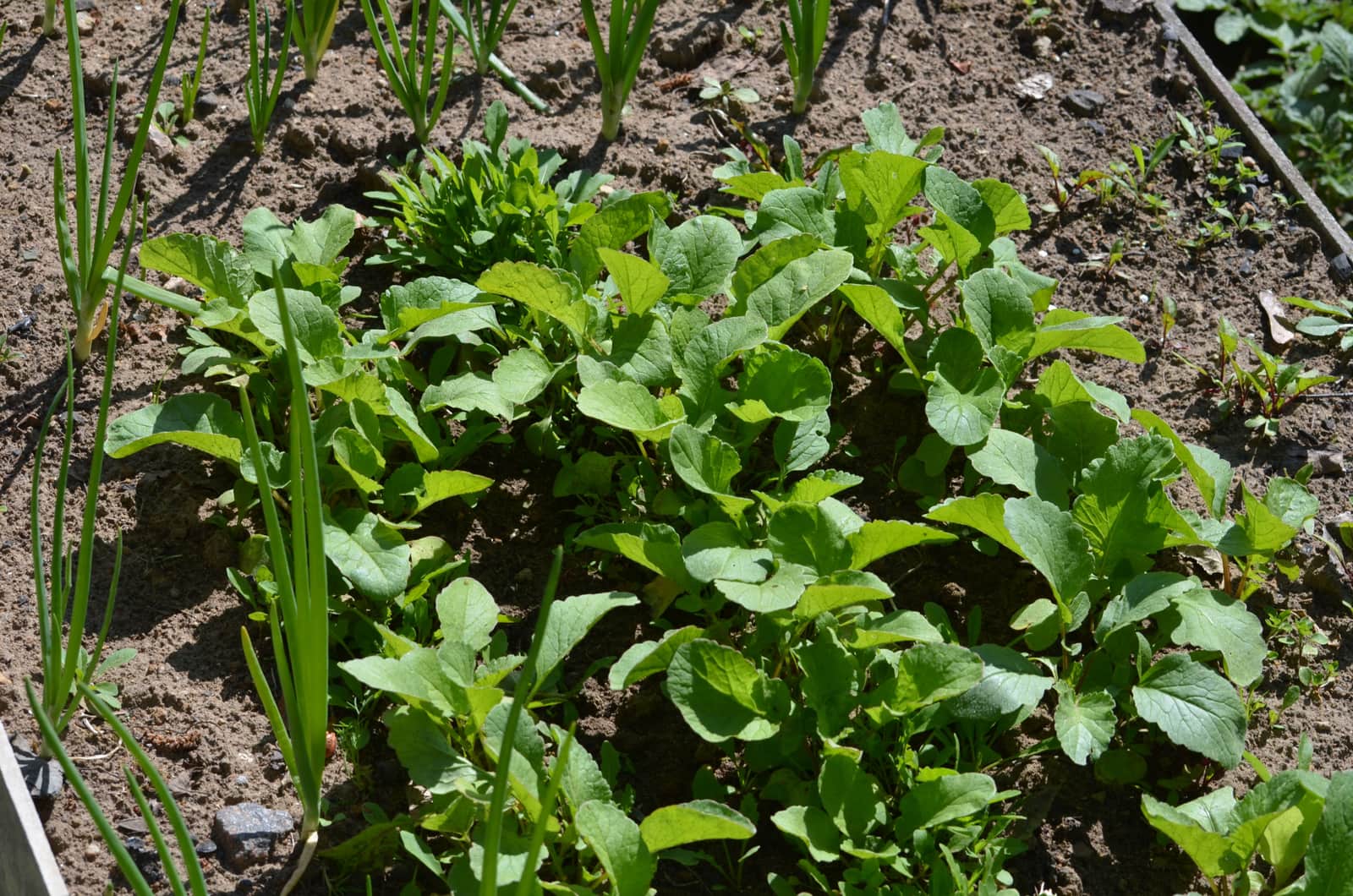
Identify the animal before you buy anything. A 30 in pop-up cage stops squirrels, chipmunks and birds and is irrelevant to deer; two feet of buried wire stops rabbits and is irrelevant to squirrels. The barrier is only as good as the match.
Best Plant Protection Cage
Pop-up cages and cloches ranked by published dimensions and how well the skirt actually pins down.
Scooter M.
Top pick: ANC POP Pop-Up Mesh Plant Cover, 2-pack · #ad
Best Garden Netting
Cheap protection by the square foot, and the mesh sizes and pinning that decide whether it works.
Scooter M.

Top pick: Tenax Deer Netting, 7 ft x 100 ft · #ad
Best Rabbit Fencing
Two feet high, buried four to eight inches, one inch mesh. The one garden problem with a published answer.
Scooter M.

Top pick: HUNKA Hardware Cloth, 1/2 in mesh, 36 in x 50 ft, 19 gauge · #ad
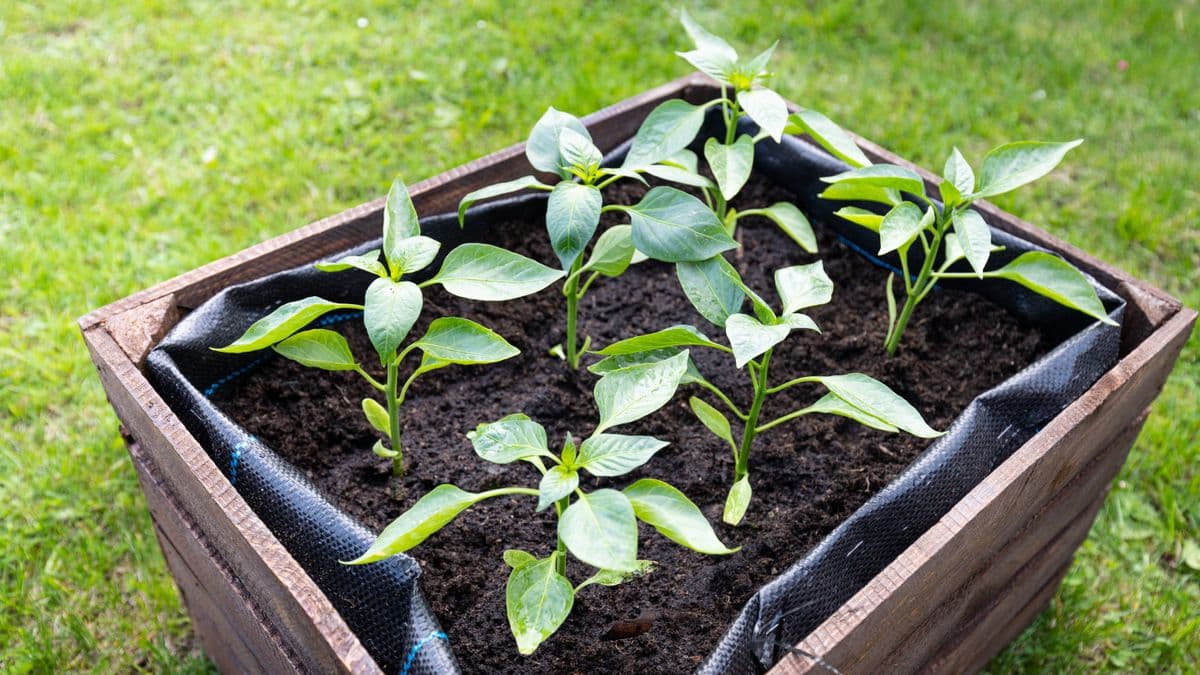
Best Raised Bed Cover
Fabric stops birds and insects; only wire stops a squirrel that digs. Which cover for which animal, sized to a 4 x 8 bed.
Scooter M.
Top pick: HUNKA Hardware Cloth, 1/2 in mesh, 36 in x 50 ft, 19 gauge · #ad
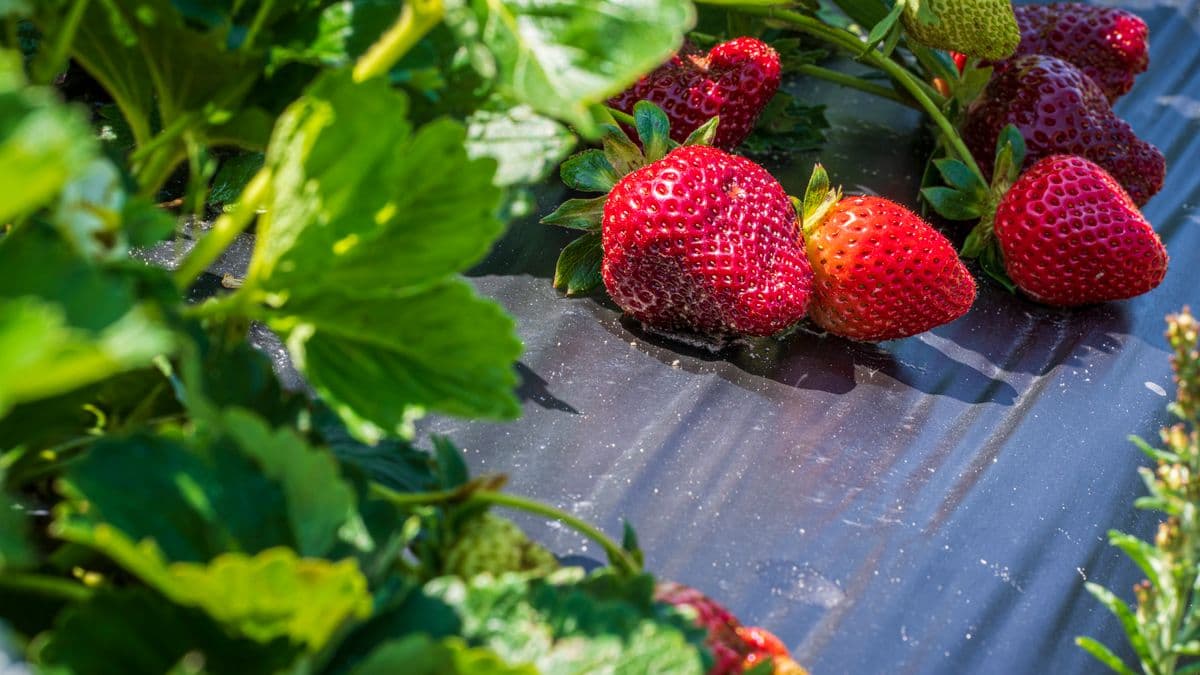
Best Strawberry Netting
Quarter-inch mesh on a frame for birds; hardware cloth for the chipmunk. The strawberry barrier for each thief, from the extension answer.
Scooter M.

Top pick: Pop-Up Raised Bed Mesh Cover with Zipper Door, 45 in · #ad
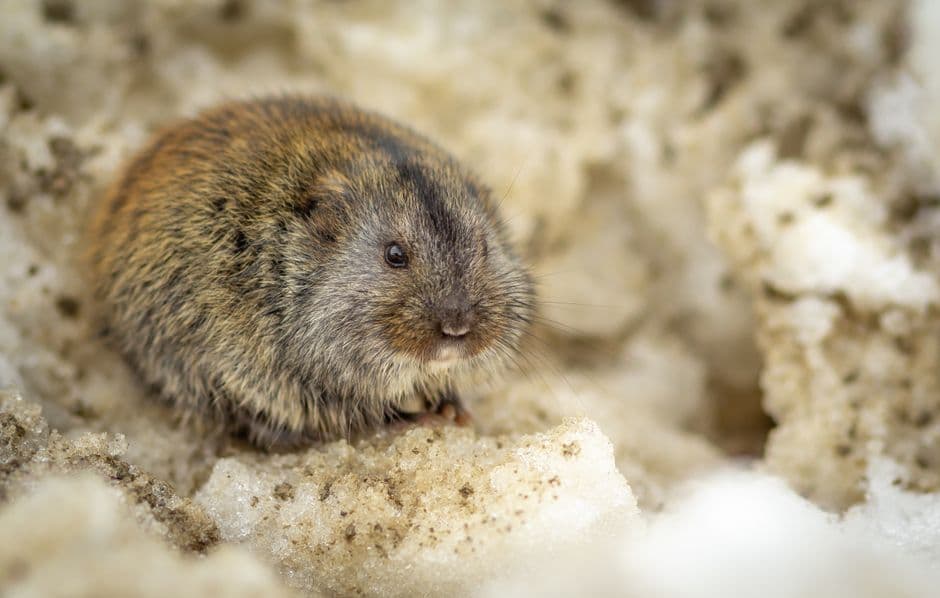
Best Vole Barrier
Voles girdle bark at ground level, and the published fix is mesh and mown ground rather than a repellent. Quarter-inch cylinders, vegetation-free zones, and the trapping method extension services actually specify.
Scooter M.

Top pick: Hardware Cloth, 1/4 in mesh, 24 in x 50 ft · #ad
The most common mistake in garden protection is buying a barrier sized to the plot rather than to the animal. Every exclusion method has a specification that decides whether it works, and those specifications are published by cooperative extension services rather than by the people selling the mesh.
| Animal | What actually excludes it | Published spec | Source |
|---|---|---|---|
| Rabbits | Chicken wire, hardware cloth or flexible netting | At least 2 ft high, buried 4 to 8 in | Colorado State University Extension |
| Rabbits (young) | Smaller mesh | Hex opening of 1 in rather than 2 in | University of Georgia Extension |
| Squirrels and chipmunks | A full enclosure over the bed | Mesh cage; height only has to exceed the crop | Product listings, cited on each pick |
| Deer | A perimeter fence | 8 to 10 ft; woven wire at 10 ft for certainty | Michigan State University Extension |
The deer row is here for contrast. If deer are your problem, a garden cage is the wrong page — go to deer fencing.
For squirrels, chipmunks and birds, a pop-up mesh cage over the bed is the whole answer. The mechanism is trivially reliable — the animal cannot get in — and the only real questions are whether the cage fits your bed and whether the skirt is pinned properly.
Pinning is where these fail. A cage with eight ground stakes stays put; a cage with four over a 39 in span becomes a sail in the first squall, and an unpinned skirt is simply a door. Buy the version with more stakes, or add your own. Plant cages and cloches ranks the picks, all of them by published dimensions where a dimension exists.
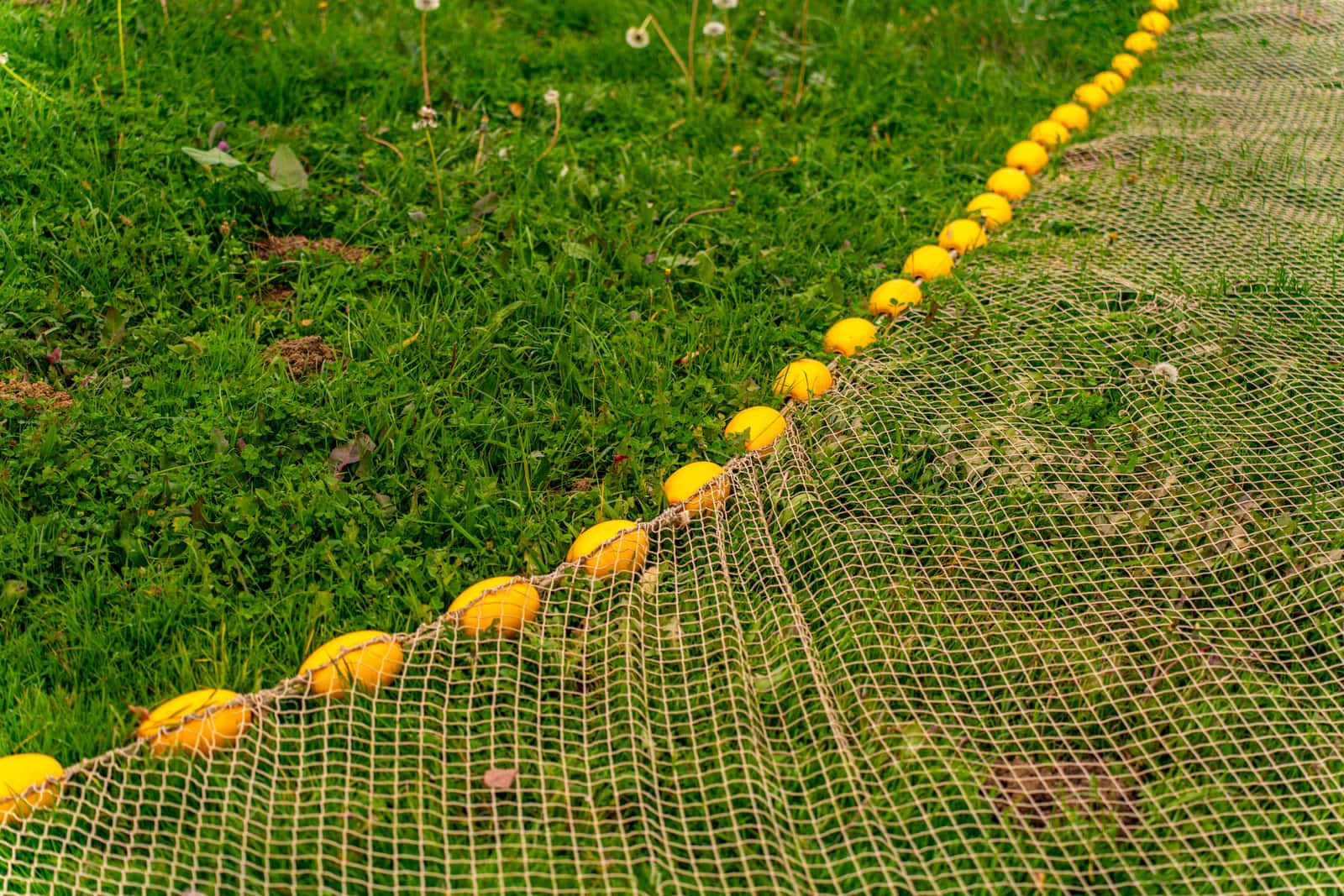
Netting draped over a bed is cheaper per square foot than any cage and does a real job on birds and on browse. What it does not do is form a rigid barrier: a squirrel will work under a slack edge, and loose netting left unpegged is an entanglement hazard for the wildlife you did not intend to catch.
Use netting where a light drape is genuinely enough — a fruit bush, a short row, winter protection on ornamentals — and use a cage where something is actively digging. Garden netting covers the material, and netting vs cages is the direct comparison.
Rabbits are the one garden animal with a clean, published, permanent fix. Colorado State University Extension puts it plainly: chicken wire, hardware cloth or flexible netting at least two feet high, buried four to eight inches, is fairly effective. The burial is not optional — it is the entire difference between a fence and an inconvenience, because a rabbit's instinct is to go under rather than over.
Mesh size matters too. The University of Georgia Extension notes hex netting comes in 1 in and 2 in openings; young rabbits pass a 2 in mesh. If you are going to dig the trench once, dig it for the smaller mesh. Rabbit fencing has the specification and the products that meet it.
The animal digging up your bulbs is very often the animal on your feeder, which is why this site covers both. If you are running a feeder within sight of the vegetable bed, spilled seed is subsidizing the population that is eating the garden. Keeping squirrels out of the garden starts there, and the feeder side has the seed-management half of it.
Comparison
Browsing animals need a layer; working animals need a structure. How to tell which you have.
Scooter M.
Top pick: ANC POP Pop-Up Mesh Plant Cover, 2-pack · #ad
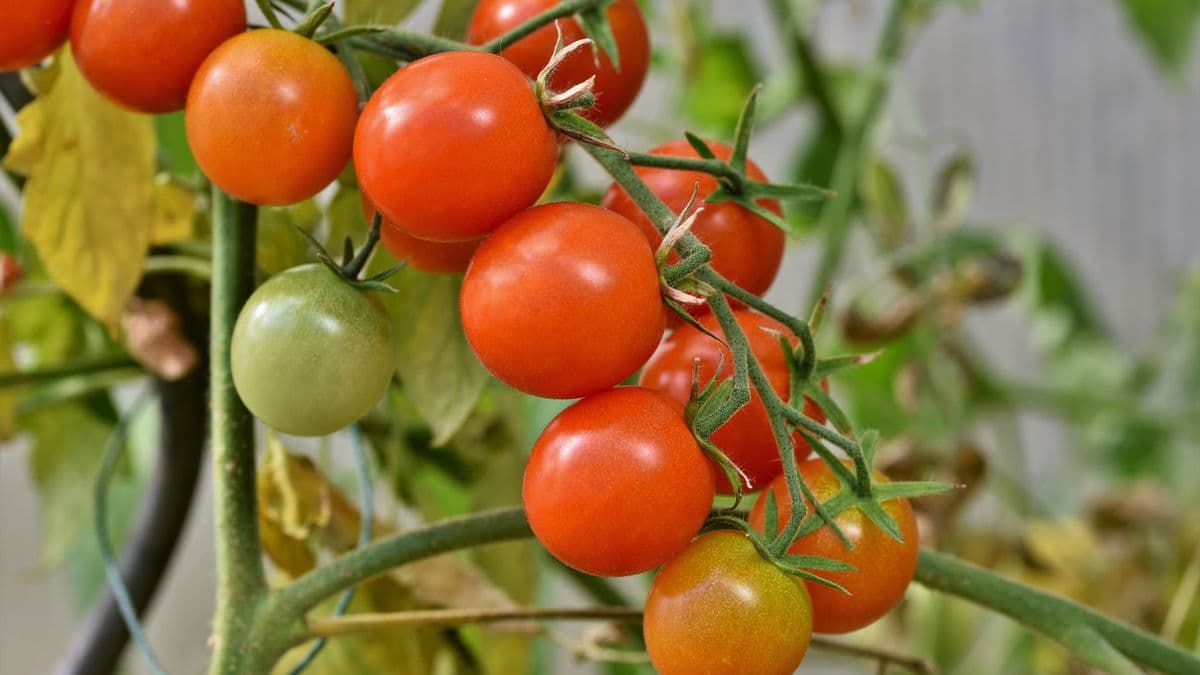
Fitment
One bite per fruit is the signature, and it tells you repellents will miss. Cage sizes from the exclusion spec, and the free method that beats them.
Scooter M.
Top pick: HUNKA Hardware Cloth, 1/2 in mesh, 36 in x 50 ft, 19 gauge · #ad
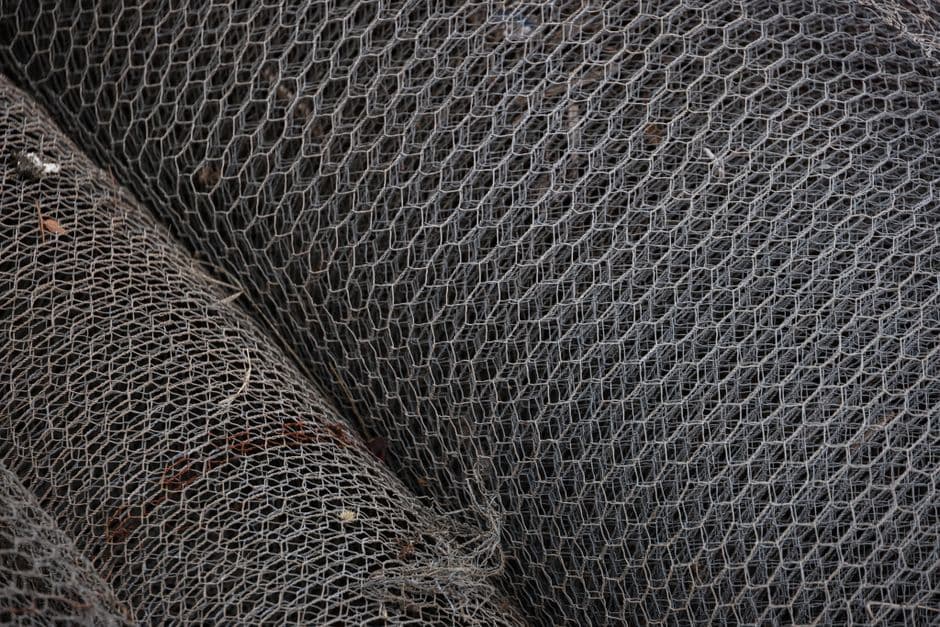
Comparison
Chicken wire stops rabbits; hardware cloth stops rodents. The published extension mesh specs by animal, plus gauge, and which roll to buy for the five common garden jobs.
Scooter M.
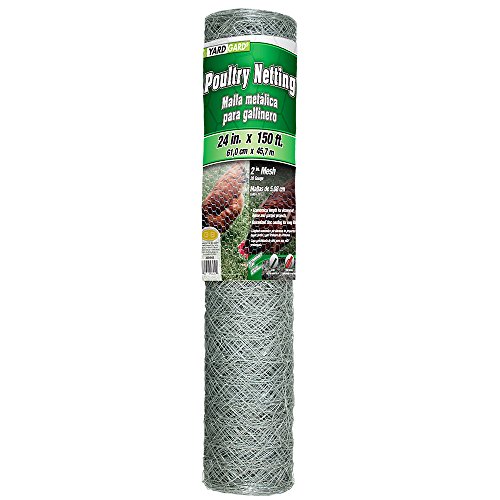
Top pick: YARDGARD 2 in Poultry Netting, 24 in x 150 ft, 20 gauge · #ad
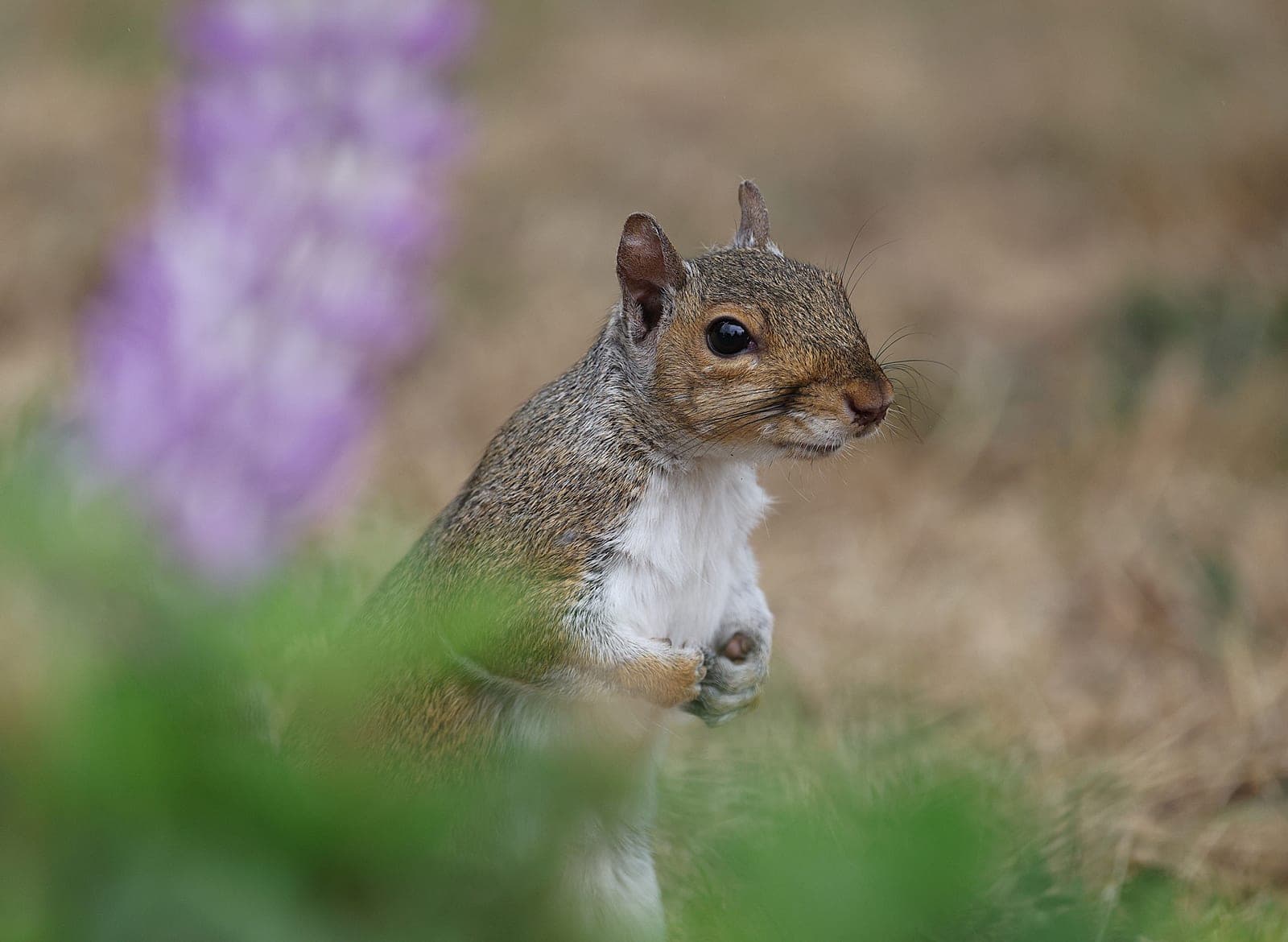
Guide
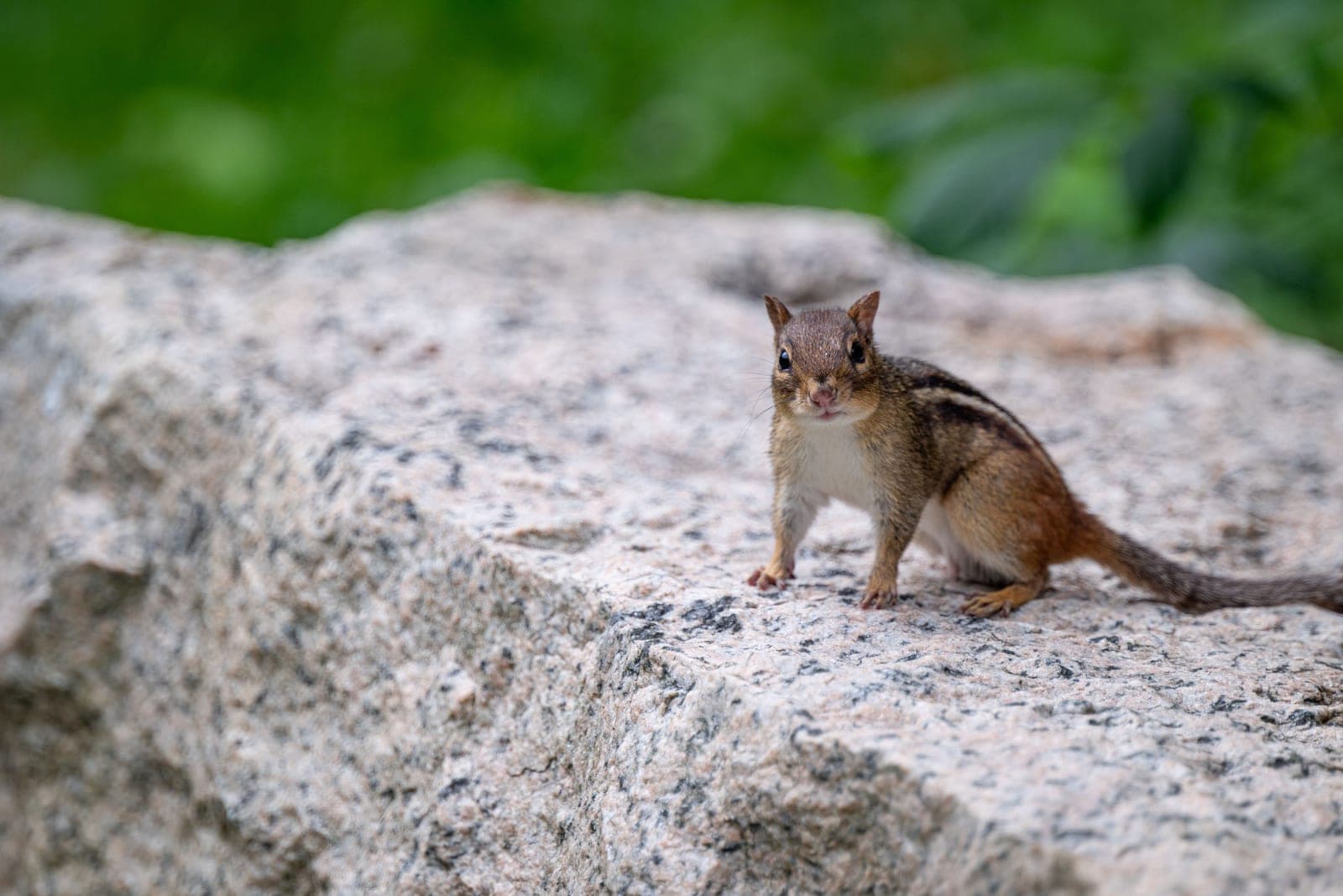
Squirrels work a garden rather than browse it, which is why a cage holds and a drape does not.
Scooter M.
Top pick: ANC POP Pop-Up Mesh Plant Cover, 2-pack · #ad
Guide
Too light for a weight mechanism, small enough to pass 2 in mesh. Why the answer is a finer aperture.
Scooter M.

Top pick: Woodlink WLCAGE2 Designer Caged 4-Port Tube Feeder · #ad
Guide
Squirrels dig rather than browse, so plant choice matters far less than it does for deer. Bulbs are the exception.
Scooter M.
Top pick: HUNKA Hardware Cloth, 1/2 in mesh, 36 in x 50 ft, 19 gauge · #ad
Guide
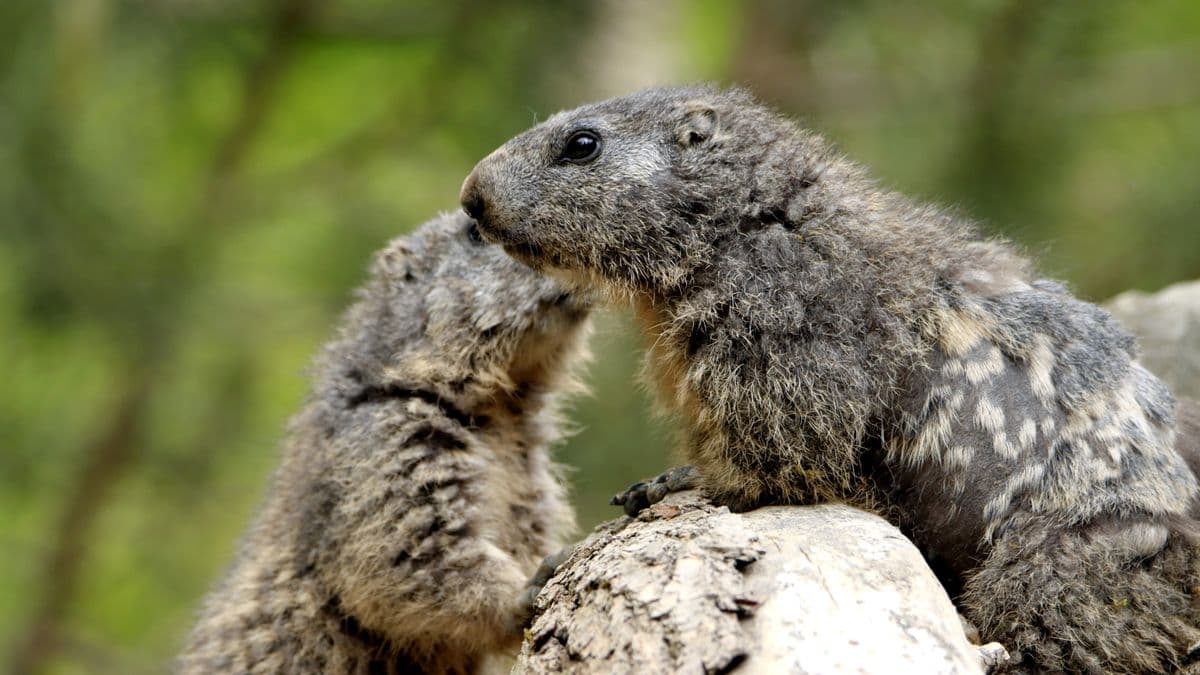
A groundhog climbs and digs, so the fence has to beat both. The published 3 ft height, the outward L, the floppy top, and where two sources disagree.
Scooter M.

Top pick: SANZEUS Welded Wire Fence, 3 ft x 50 ft, 2 x 4 in, 15 gauge · #ad
Guide
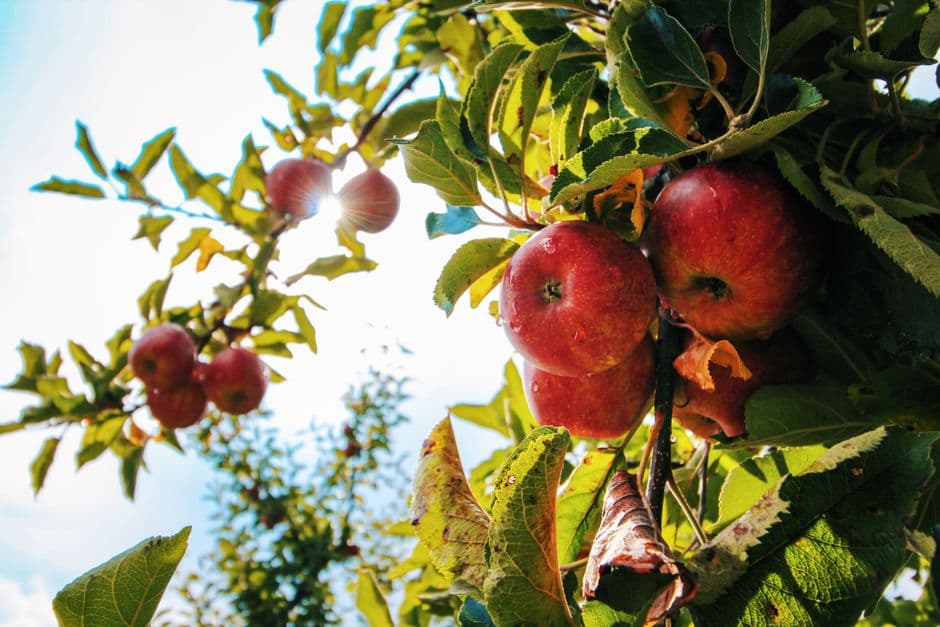
UC IPM calls this virtually impossible, and the honest plan follows from that: isolate the canopy, net as ripening approaches, pick early, and expect to share.
Scooter M.

Top pick: Junkin Clear Tree Trunk Wrap, 16 in x 60 in, 2 rolls · #ad
Guide
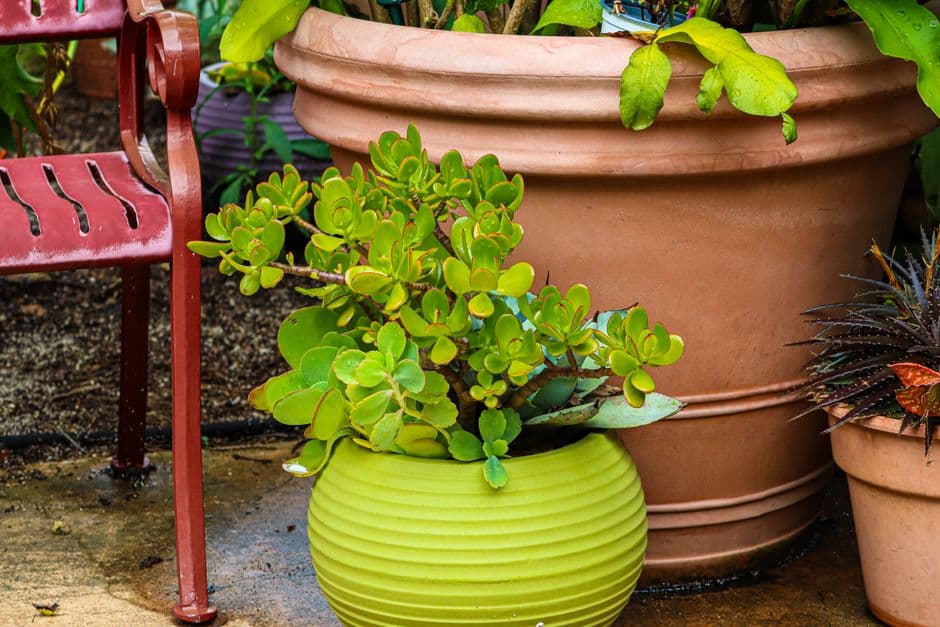
Squirrels dig containers to cache, not to eat. Cover the surface - grid, mesh or stones - cut right to the rim, and the digging stops.
Scooter M.

Top pick: Adnee Plant Pot Grids, 16 in, 4 pack · #ad