The published-mechanism test
Active deterrents are the part of this market where the gap between marketing and evidence is widest. So we apply one filter before anything else: does the maker publish a mechanism you could verify?
Orbit's Yard Enforcer passes it easily. The listing states passive infrared detection, an adjustable sensor range up to 40 ft, spray durations of approximately 3 to 10 seconds, and day and night detection modes. Those are numbers. You can measure them, you can plan a bed around them, and if the device does not meet them you know it has failed.
Solar 'predator eye' LED units and ultrasonic repellers generally do not pass it. The listings describe red lights that mimic a predator's eyes and ultrasonic frequencies animals dislike, but they publish no detection range, no sound pressure level, no frequency, and no evidence of habituation resistance. That is not proof they do nothing. It is a reason we do not rank them, and we say so on the raccoon page rather than quietly leaving them off.
Sprinklers: the one device with a real mechanism
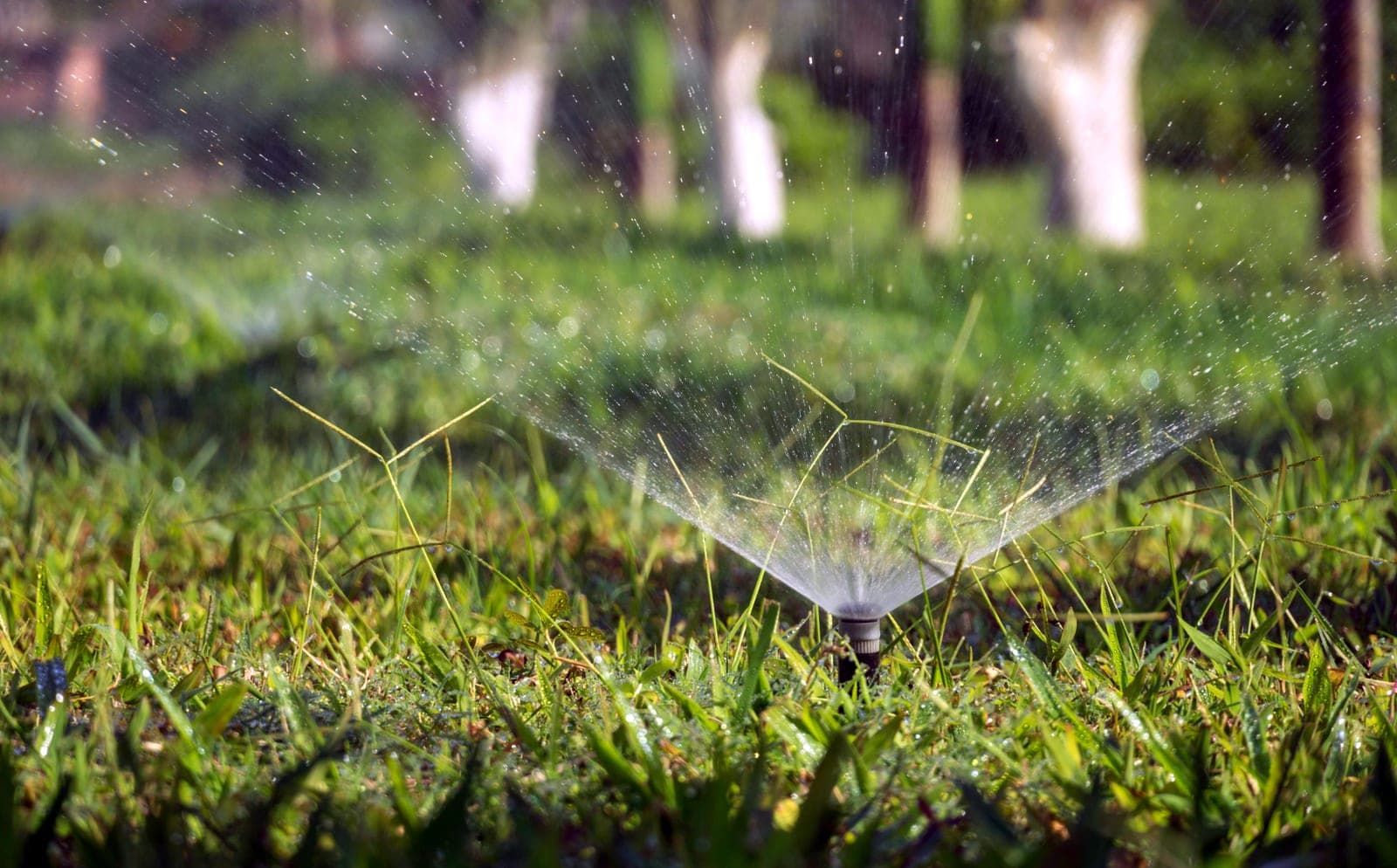
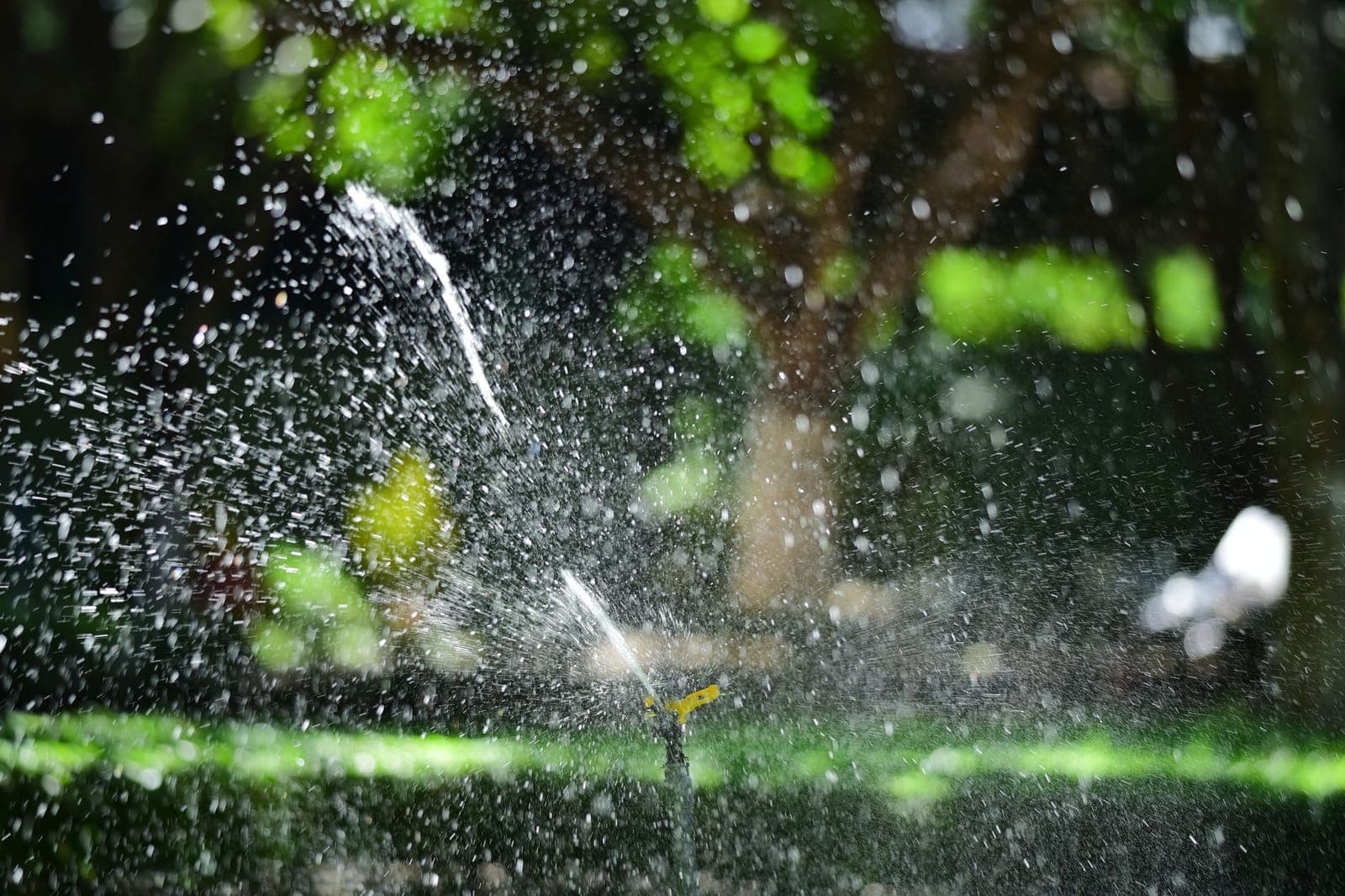
A motion sprinkler works because water, noise and sudden movement arrive together and none of them can be ignored. It is genuinely humane — it startles rather than harms — and it works on deer, raccoons, cats and herons alike, because none of them enjoy being hit with water.
The two real limits are placement and season. Placement, because it fires along an approach: a sprinkler covering the wrong side of a bed is a lawn sprinkler. Season, because it is hose-fed, and a hose-fed device in a freezing climate is out of service for the months when deer browse hardest. Motion-activated sprinklers covers both.
Seed treatments: a real mechanism with a published dose
Capsaicin works on the difference between mammal and bird taste receptors: mammals register the heat, birds do not. Cole's publishes a mixing ratio — 1.5 oz (3 tbsp) per 5 lb of seed — which is what turns it from a folk remedy into a repeatable method. A treatment with a published dose is a different proposition from one without.
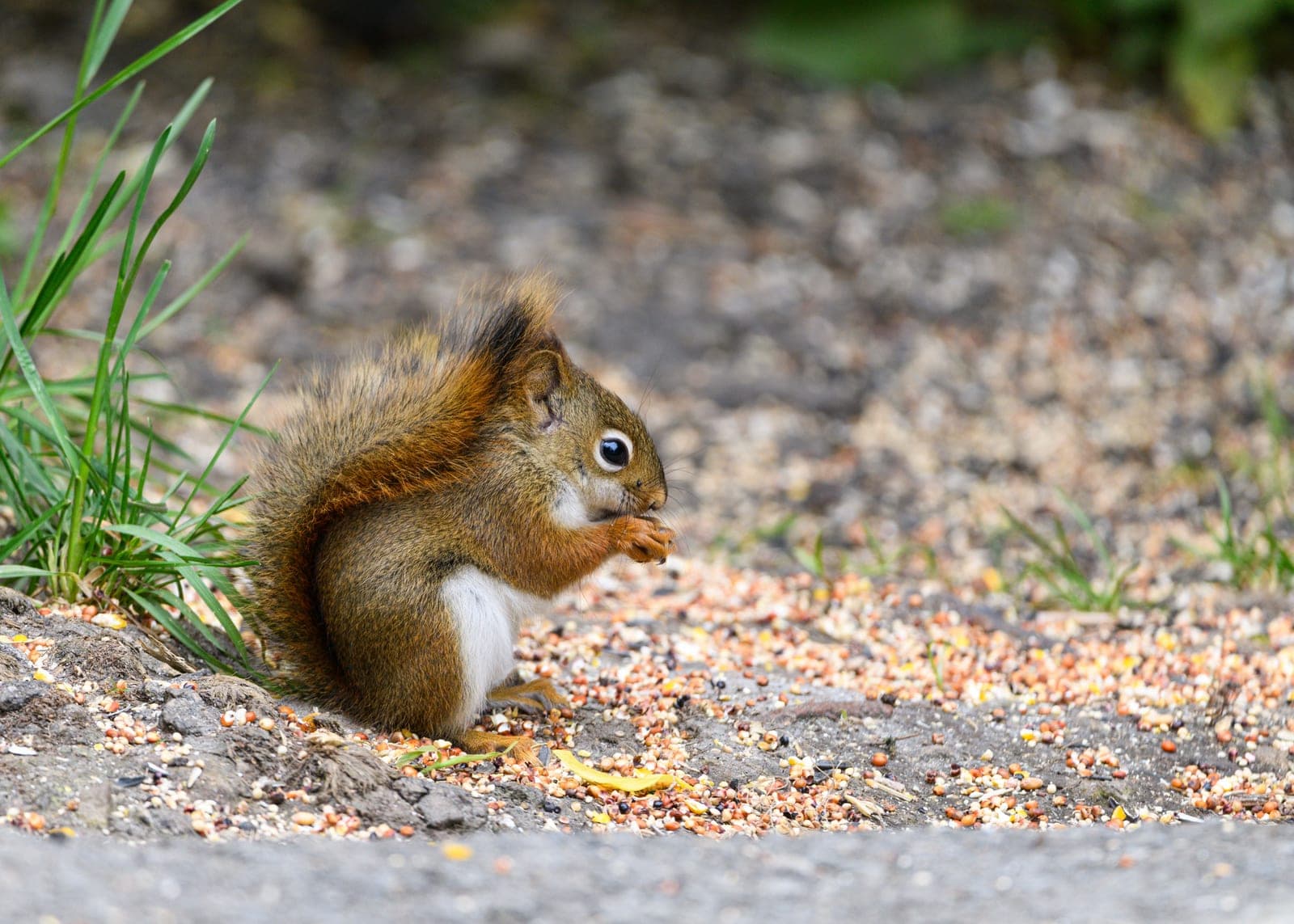
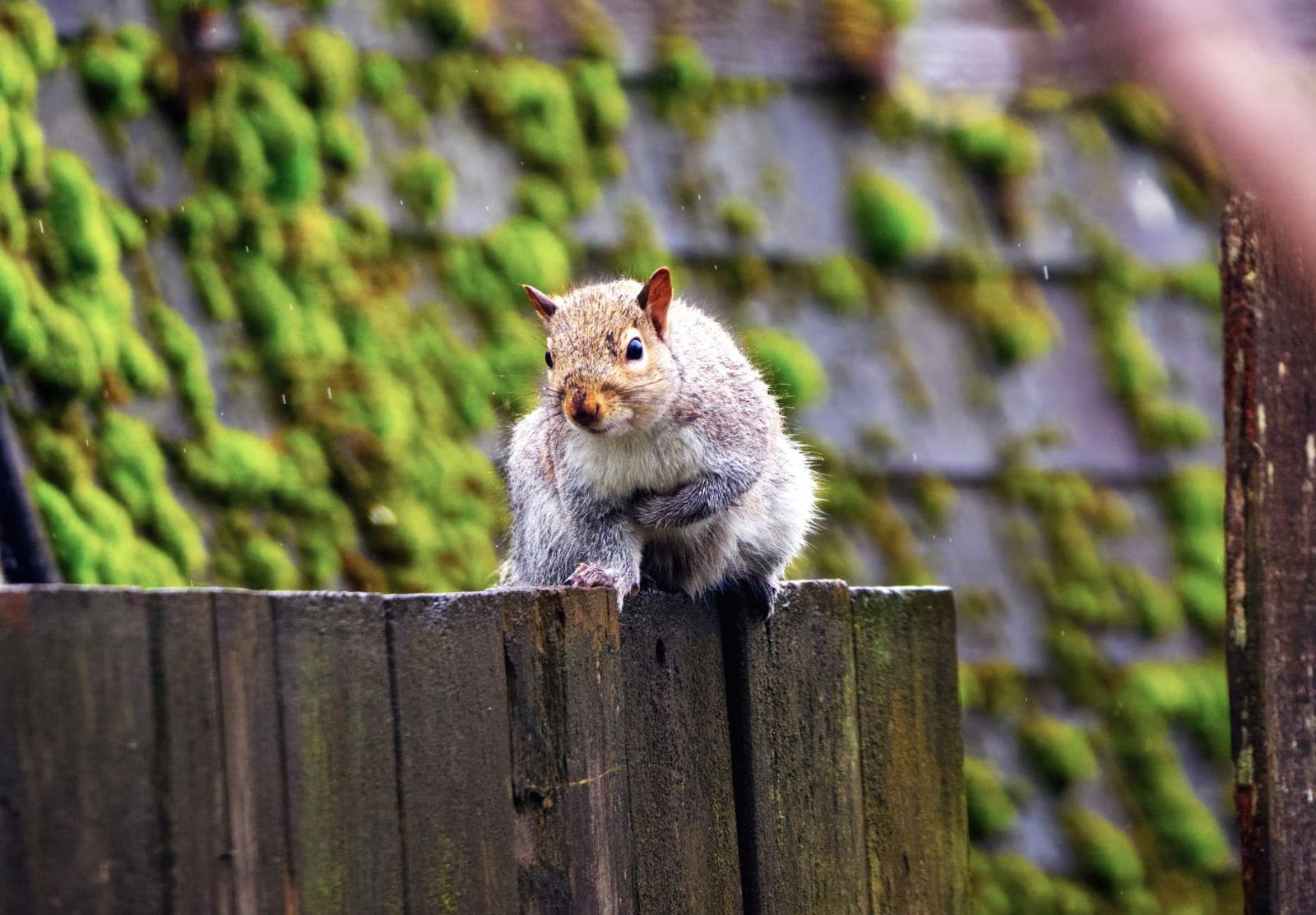
What it does not do is stop the raid. A squirrel will still climb the pole, still chew a plastic feeder, and still work out that the tray underneath is untreated. It is the right tool for a hanging feeder with no pole to baffle, and the wrong tool for a pole you could simply fix. Squirrel repellents has the detail.
Raccoons are a different animal, literally
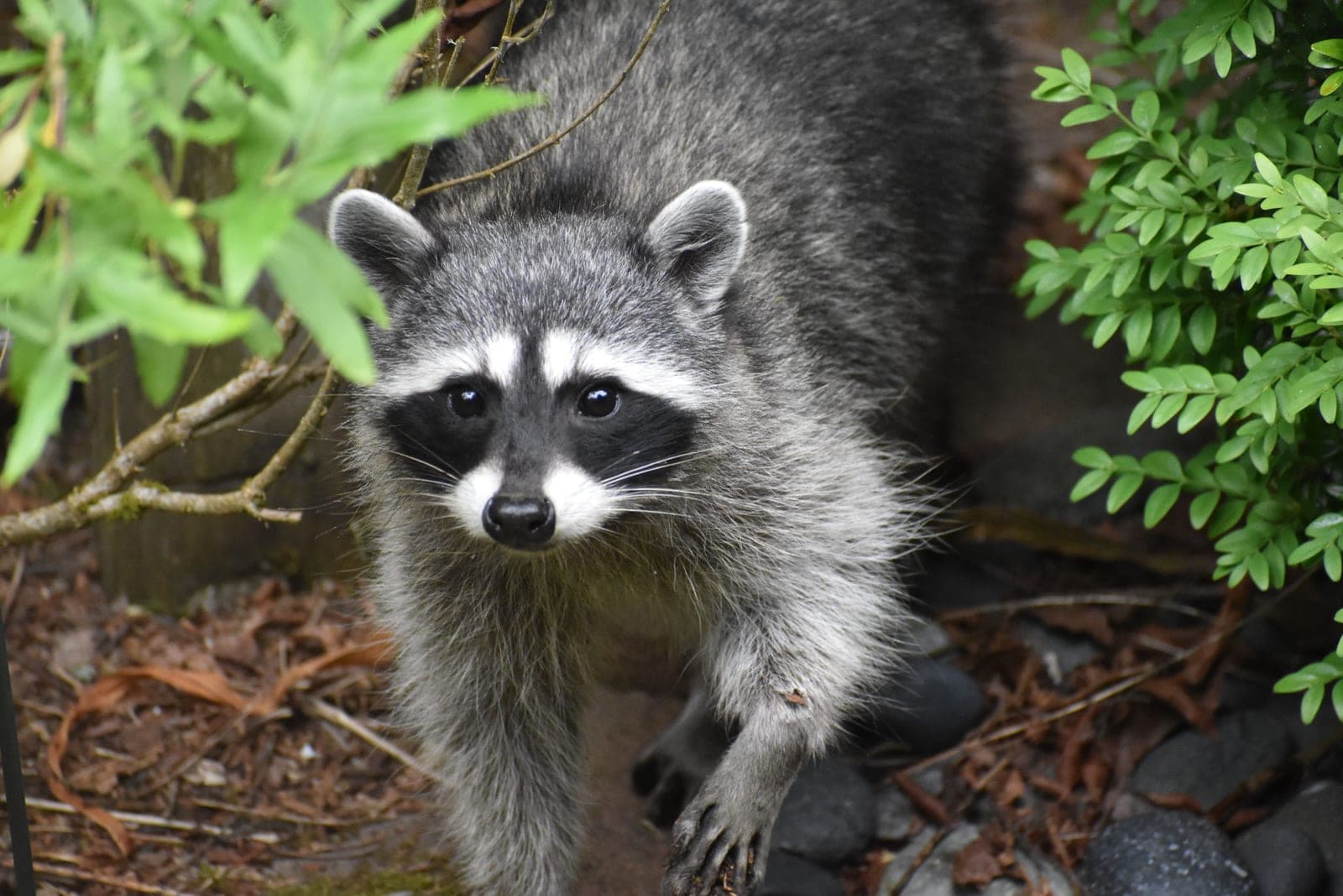
Raccoons are heavier, stronger, better at manipulating latches, and far more persistent than squirrels. A baffle rated only for squirrels tells you nothing about raccoons. Two products here name them explicitly — Erva's SB2D and SB3 — and those specific statements are worth more than any general claim of animal-proofing.
The other raccoon lesson is that food management beats devices. Spilled seed under a feeder is a raccoon magnet, and no deterrent competes with a nightly free meal. Raccoon deterrents starts there.
Where deterrents fit
Deterrents are the shared-mechanism section of this site: one motion sprinkler serves the garden and the deer problem at once, and one seed treatment serves the feeders. They are also the layer to reach for last. A baffle at the right height, a pole with real setback, or two feet of buried wire will each outperform any device in this category, because exclusion does not habituate and a startle does.
If you want the non-product version of all of this, scare tactics that work and DIY squirrel deterrents go through the free options, including the ones that plainly do not work.
Questions people actually ask
- Do ultrasonic animal repellers work?
- We have not found a published, checkable mechanism for them: no stated frequency, no sound pressure level, no detection range, no habituation data. That is not proof they do nothing, but it is why nothing on this site ranks them. We prefer devices whose makers publish a number.
- Do motion-activated sprinklers work on deer?
- On a defined approach, yes. Water, noise and movement arrive together and a deer that uses that route repeatedly stops using it. The limit is that they are hose-fed, so they are out of service in freezing weather.
- Does hot pepper on birdseed keep squirrels away?
- It works on the taste difference between mammals and birds, and Cole's publishes a mixing ratio of 1.5 oz per 5 lb of seed, so the dose is repeatable. It does not stop the animal arriving, chewing the feeder or eating from a tray below.
- What actually keeps raccoons off a bird feeder?
- A baffle explicitly rated for raccoons, plus removing the spilled seed underneath. Erva's SB2D and SB3 both name raccoons in their listings; most baffles do not, and a squirrel rating is not a raccoon rating.