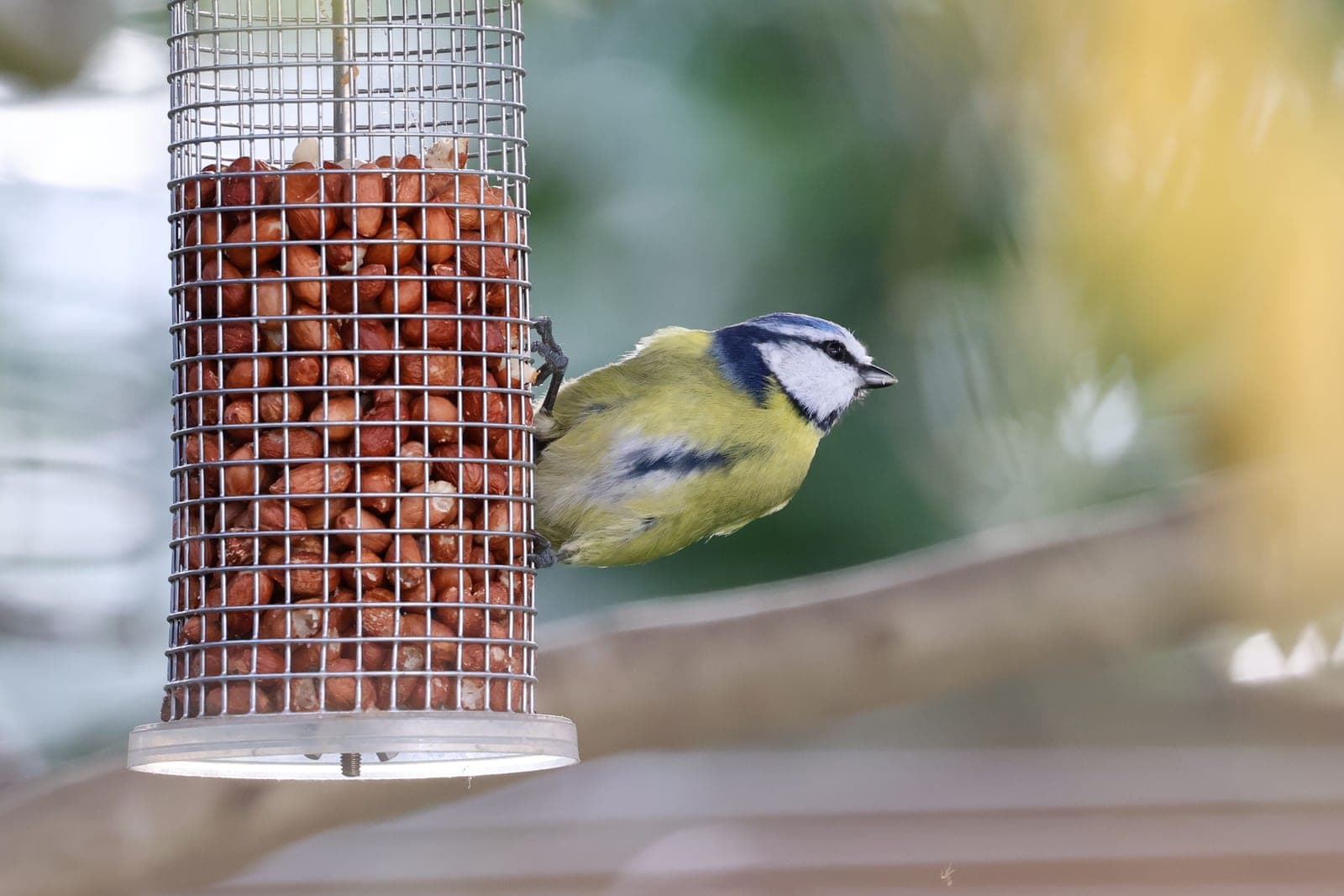
Best Squirrel-Proof Feeder
The best squirrel-proof bird feeders
Seven feeders ranked by mechanism and published capacity, and which animal each one actually excludes.
Scooter M.

$129.25 on Amazon
Top pick: Brome Squirrel Buster Plus · #ad
Defend the feeder and garden
The feeder war
There are three mechanisms in this whole category, and each excludes a different animal. Pick the mechanism that matches the animal you actually have, and the brand question mostly answers itself.
Start here
Work out what is raiding you before you buy. A weight mechanism is calibrated for a gray squirrel and a chipmunk walks straight under the trigger; a cage stops both but costs you the cardinals. The roundup starts from that question.
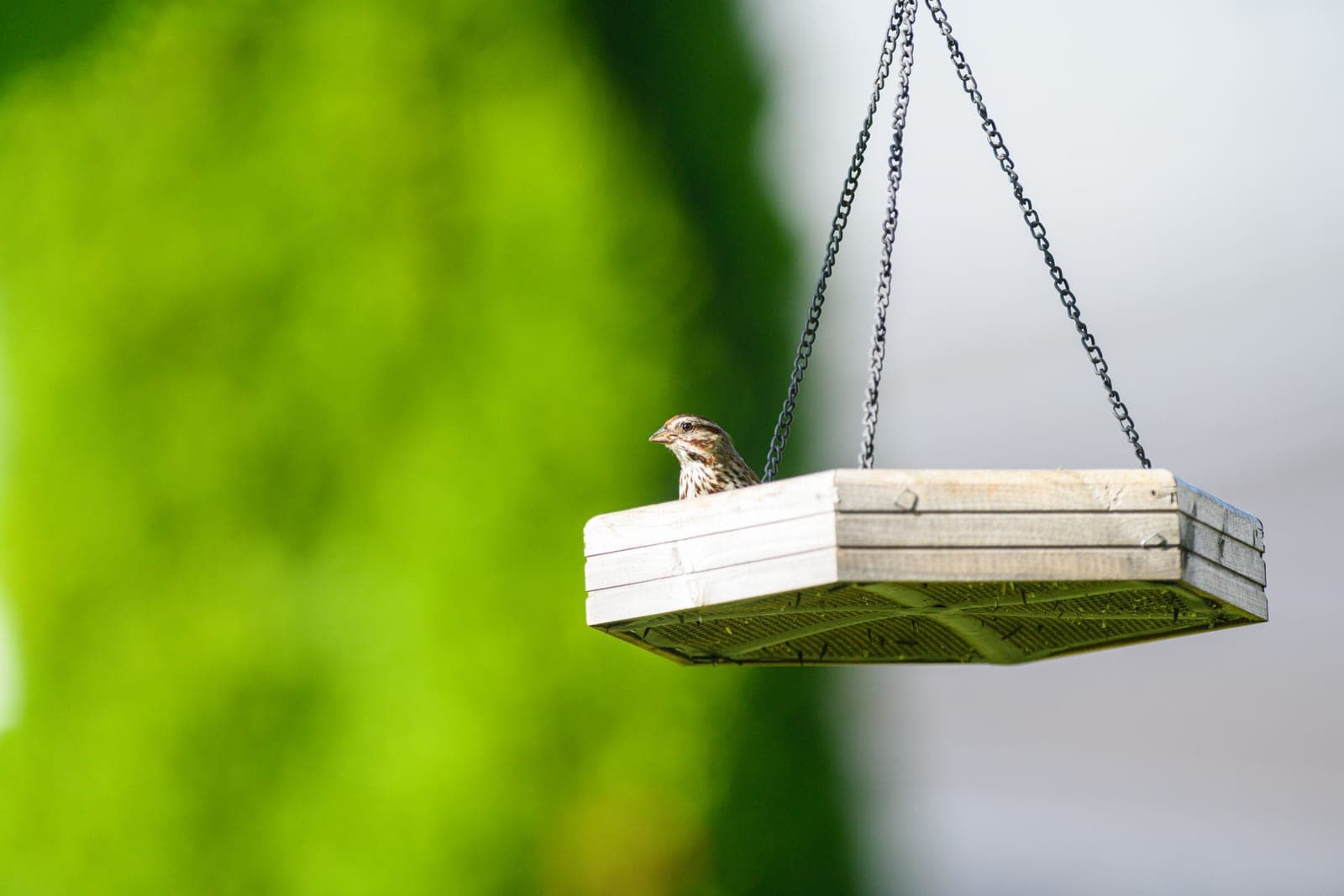
Best Squirrel-Proof Feeder
Seven feeders ranked by mechanism and published capacity, and which animal each one actually excludes.
Scooter M.
Top pick: Brome Squirrel Buster Plus · #ad
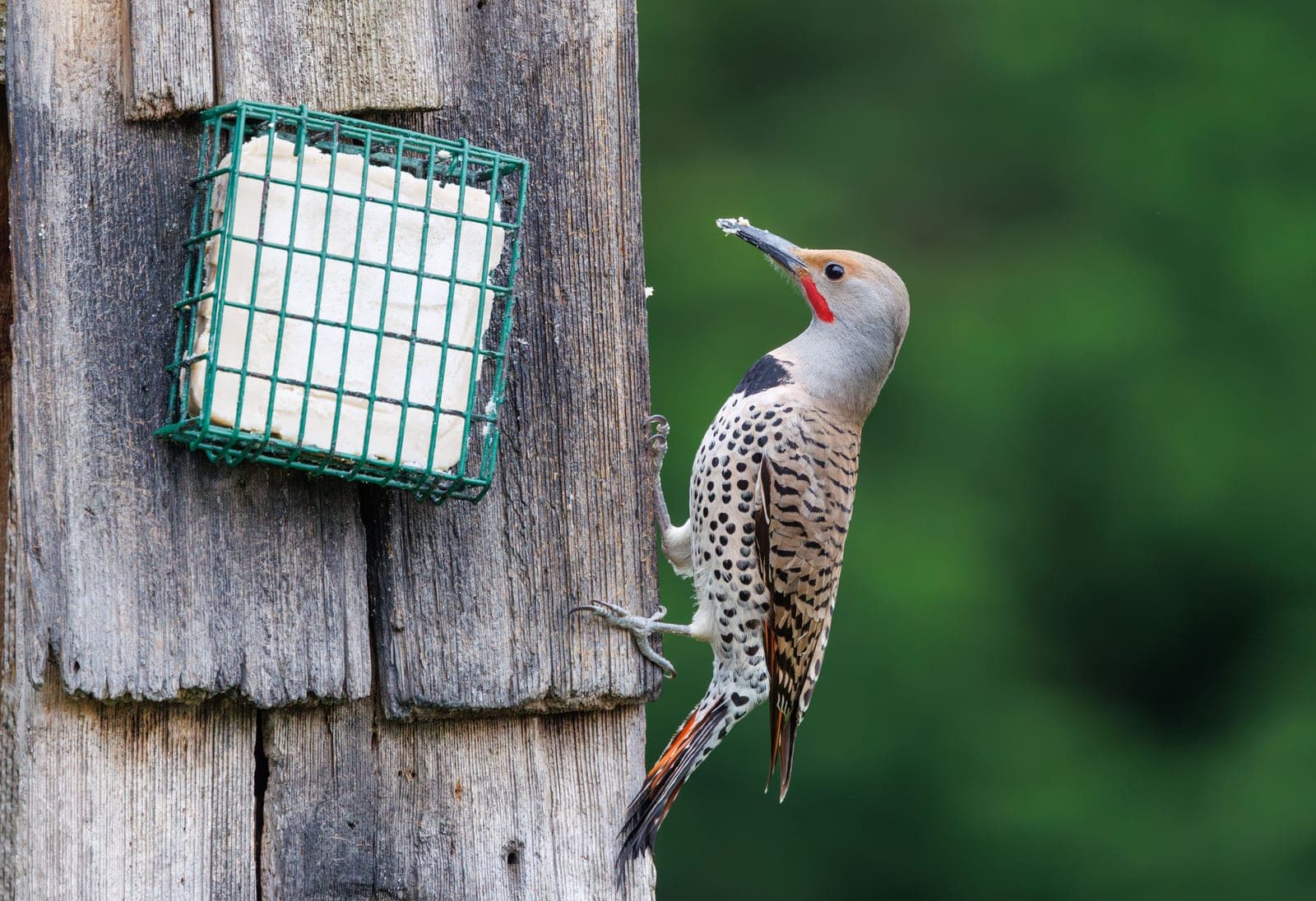
Best Squirrel-Proof Suet Feeder
Suet has no weight trigger to tune, so the cage is the whole mechanism. Which ones, and why.
Scooter M.

Top pick: Caged Dual-Purpose Suet and Seed Feeder · #ad
Best Camera Feeder
No camera feeder publishes a squirrel mechanism. What they do publish, which bodies survive, and what actually stops the raiding.
Scooter M.

Top pick: Birdfy Smart Feeder, All-Metal Solar · #ad
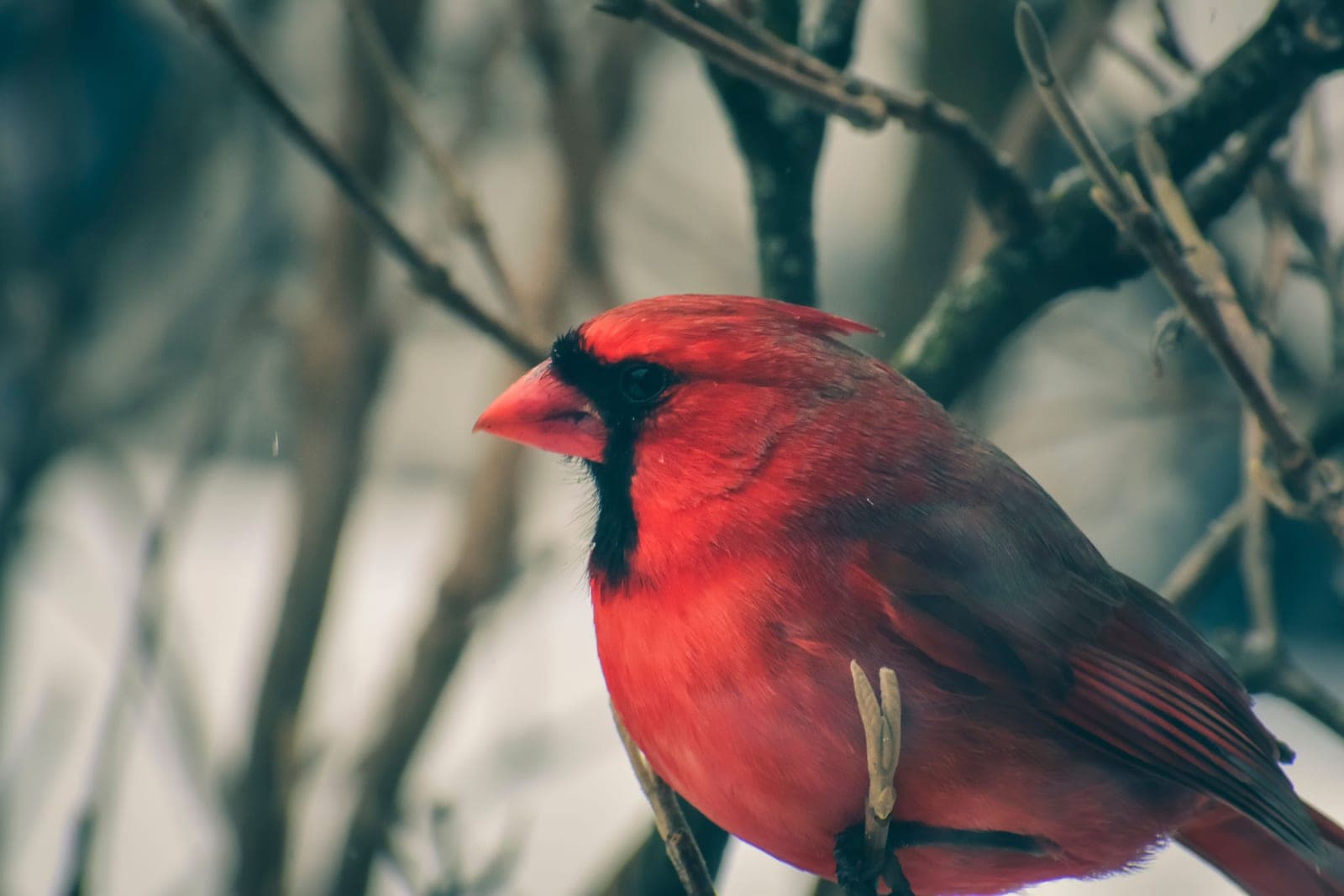
Best Feeder for Cardinals
Cages exclude by aperture and cannot be adjusted; weight triggers can. Which feeders publish a cardinal ring, and which quietly do not.
Scooter M.

Top pick: Brome Squirrel Buster Evolution · #ad
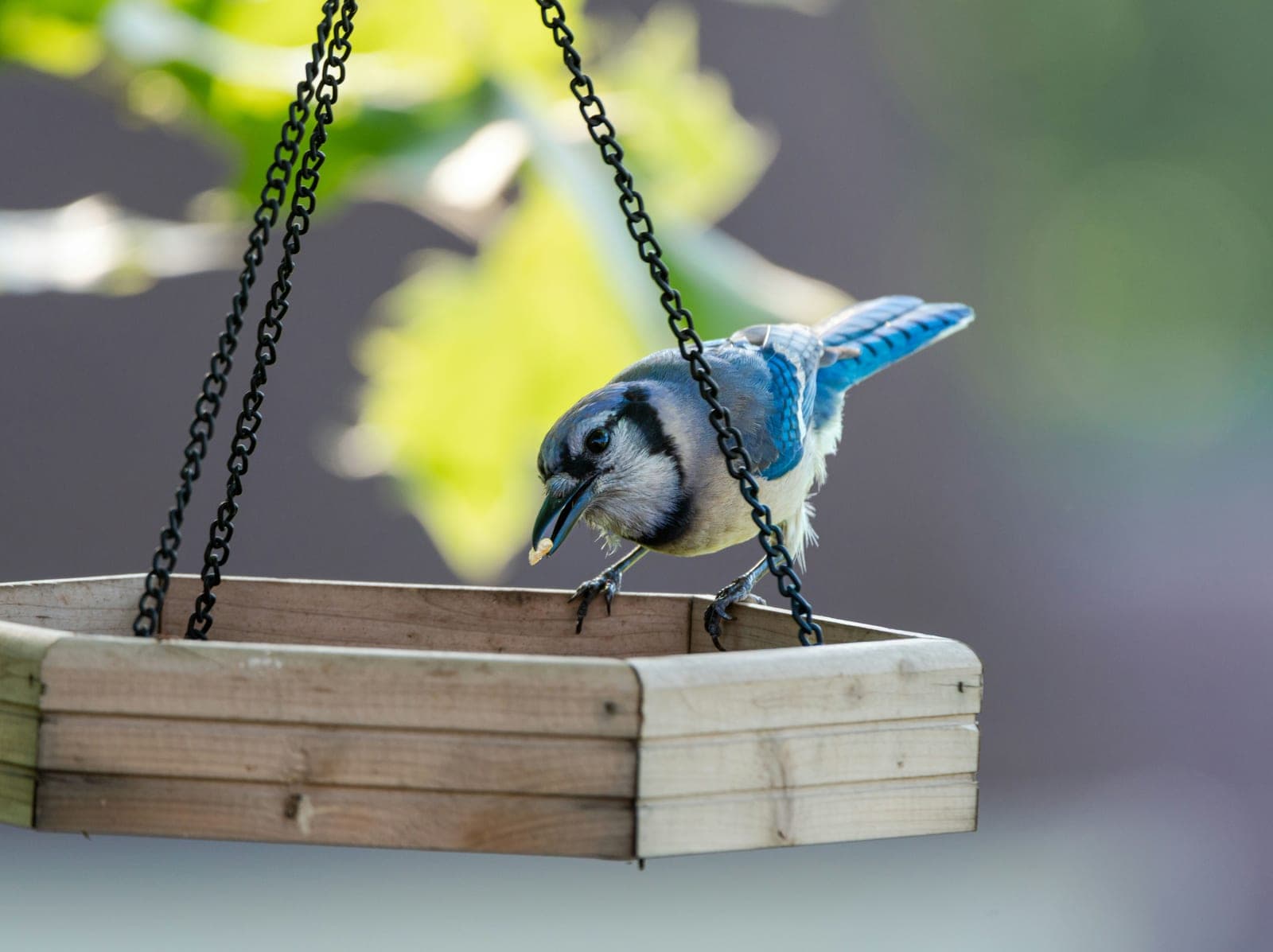
Best Feeder for Large Birds
Jays and doves need a ledge, not a peg. Which squirrel-proof formats accommodate large birds and which exclude them by design.
Scooter M.
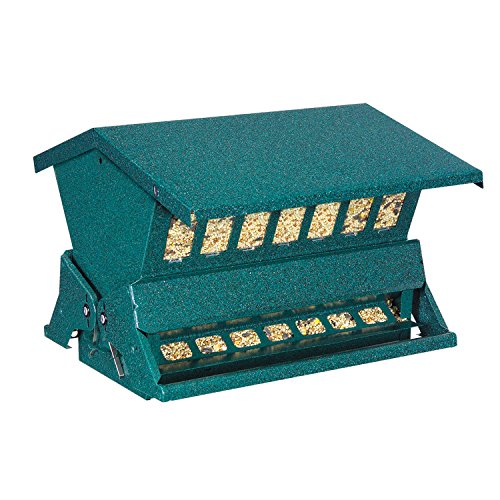
Top pick: Woodlink Absolute II (7536) · #ad
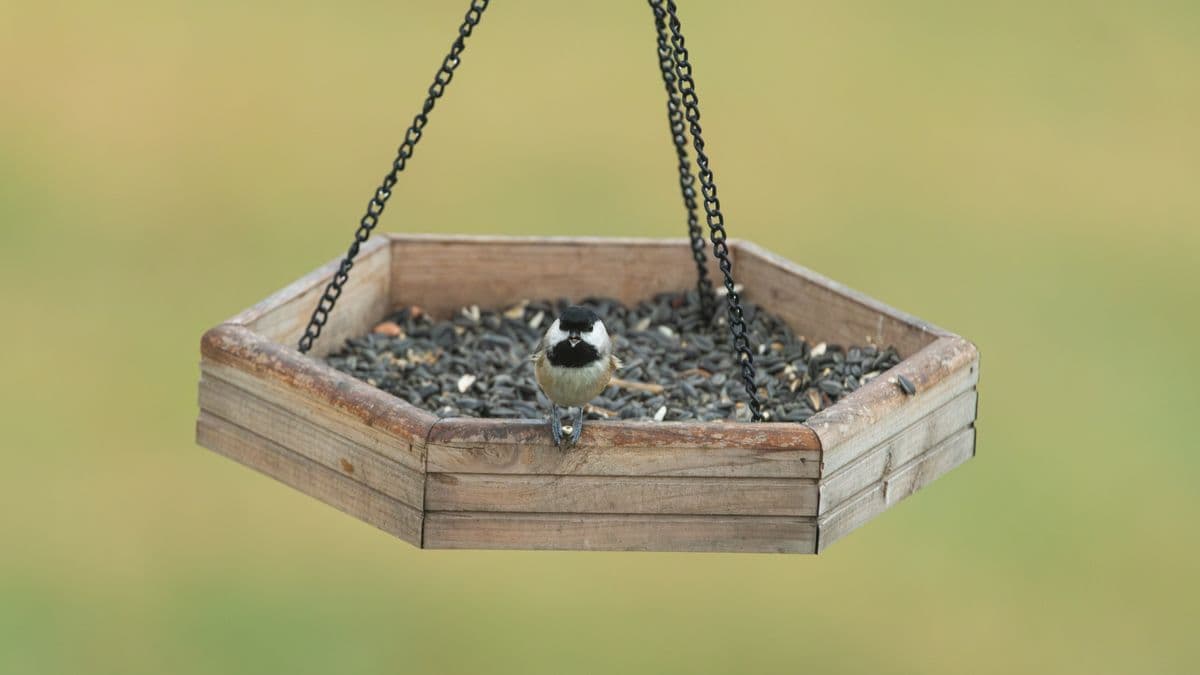
Best Cheap Squirrel-Proof Setup
The cheapest thing that works is not a cheap squirrel-proof feeder. Ranked by cost per unit of exclusion, with what each saving costs you.
Scooter M.

Top pick: Girvenith Metal Caged Seed Feeder, 4 port · #ad
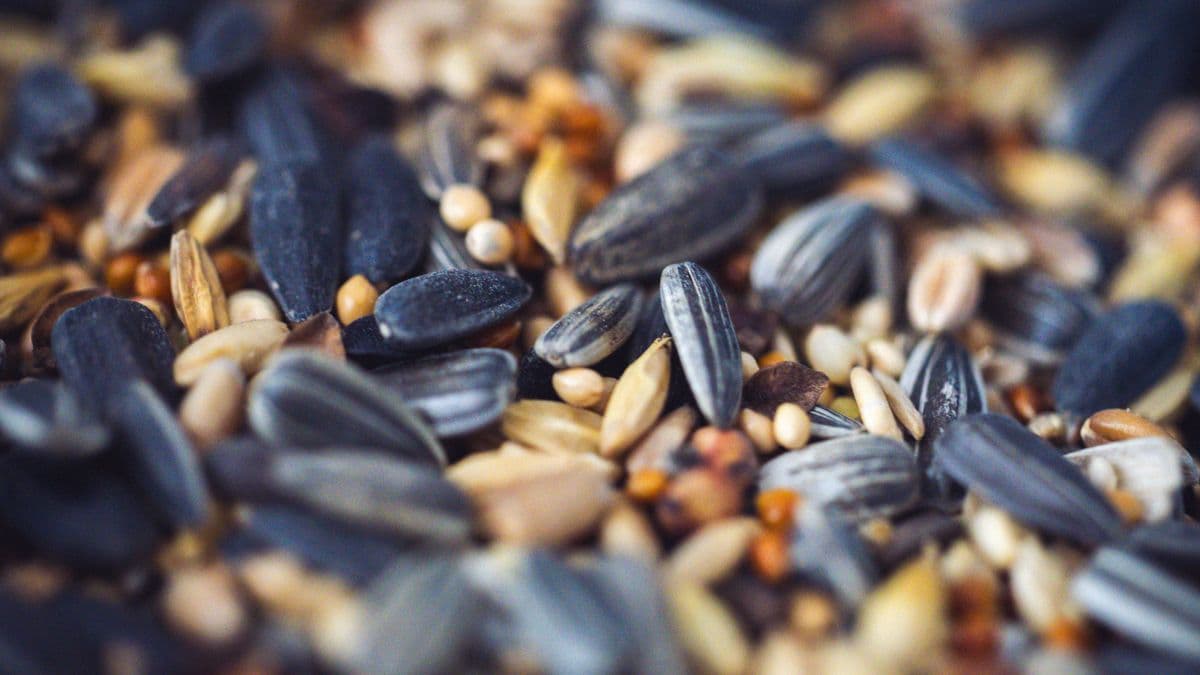
Best Seed Catcher Tray
A tray's real job is denying squirrels the ground buffet, not tidiness. Ranked on diameter and drainage, with the ones that double as feeders flagged.
Scooter M.
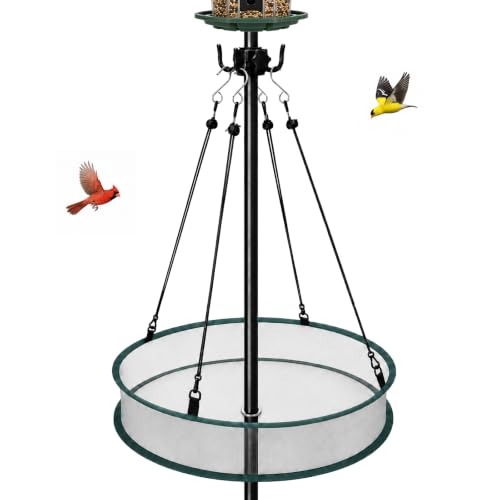
Top pick: Berrihop 20 in Pole-Mount Seed Catcher Tray · #ad
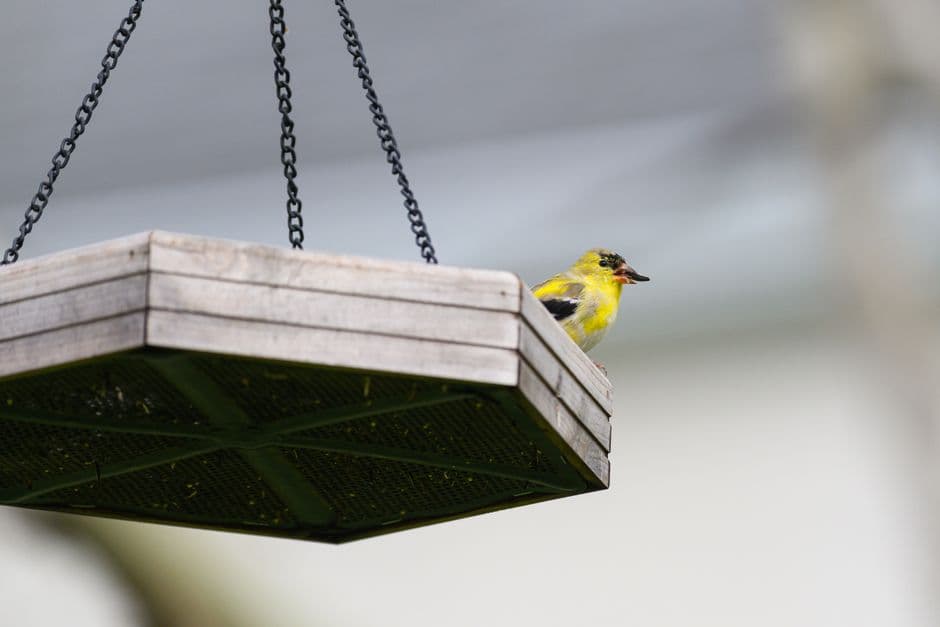
Best Squirrel-Proof Finch Feeder
Squirrels rarely eat thistle - they wreck the feeder finding that out. Metal-ported nyjer tubes, the upside-down design, and when the weight mechanism is worth paying for.
Scooter M.

Top pick: Brome Squirrel Buster Nyjer, 2.4 lb · #ad
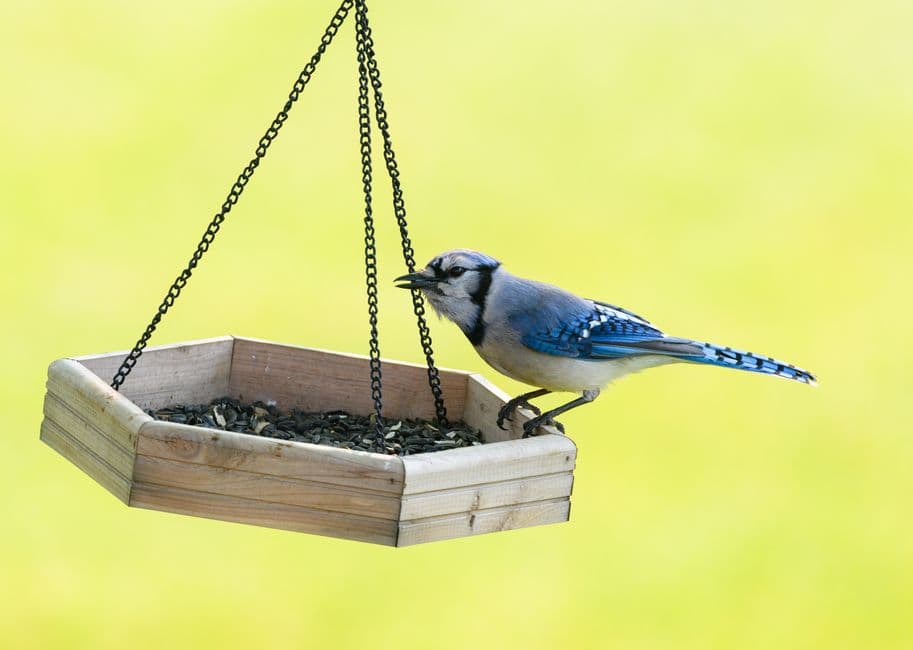
Best Squirrel-Proof Peanut Feeder
Peanuts are the food a squirrel will work hardest for. Weight-adjustable versus caged versus plain mesh, matched to whether you want jays or chickadees.
Scooter M.

Top pick: Brome Squirrel Buster Nut Feeder, 1.3 lb · #ad
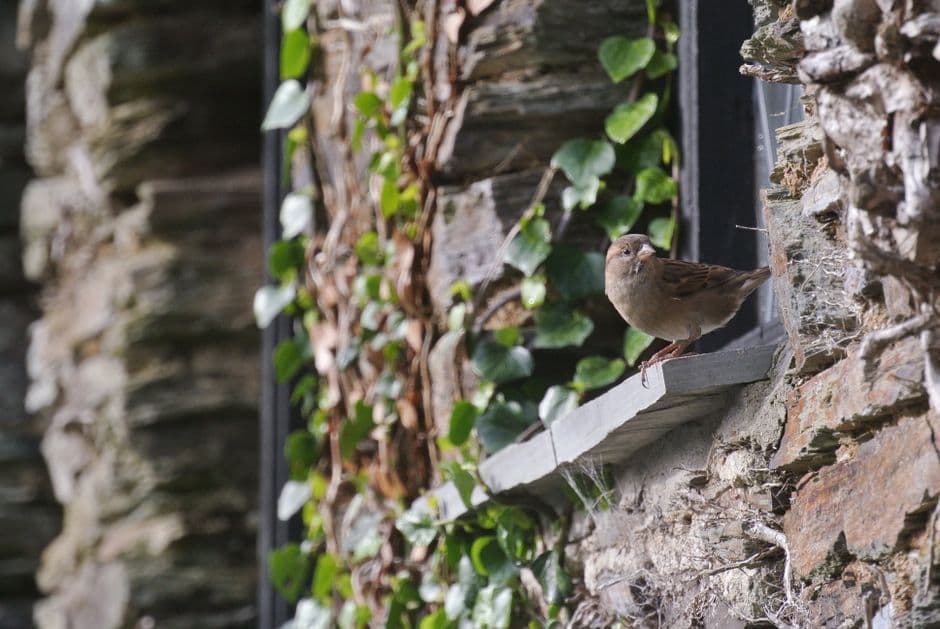
Best Window Feeder for Small Spaces
A window feeder has no pole to baffle, so it works or fails on what a squirrel can launch from. Plus the three-foot placement rule that makes glass measurably safer.
Scooter M.
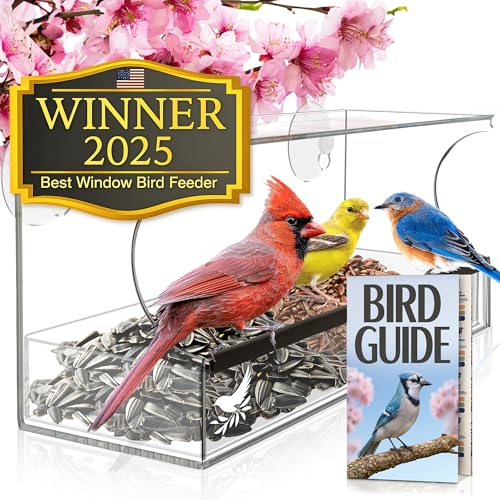
Top pick: Nature's Hangout Window Bird Feeder · #ad
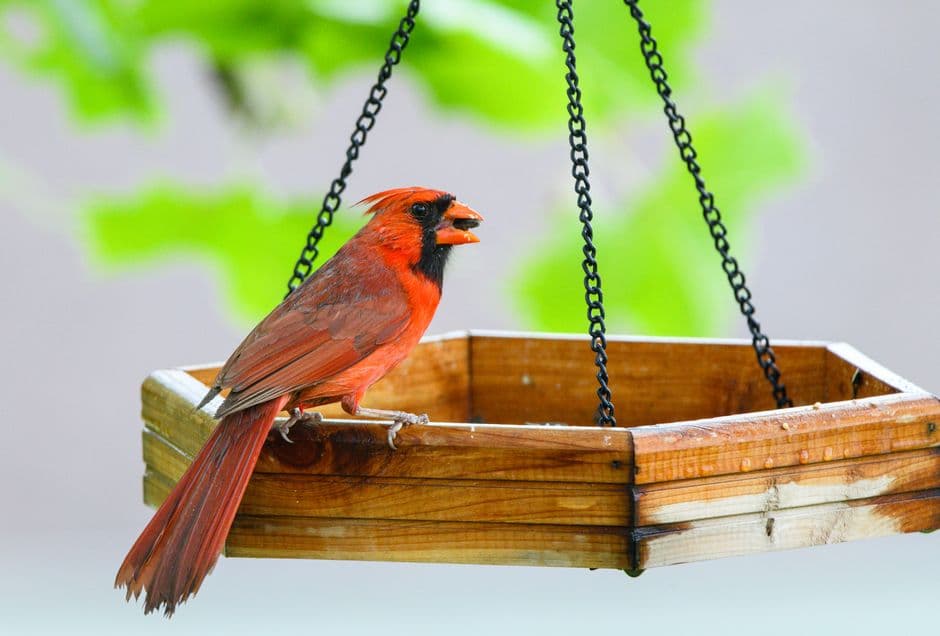
Best Seed for Deterring Squirrels
Capsaicin and safflower are the two seed routes to a quieter feeder. What the evidence supports, the point where hot seed starts deterring birds too, and which bags to buy.
Scooter M.
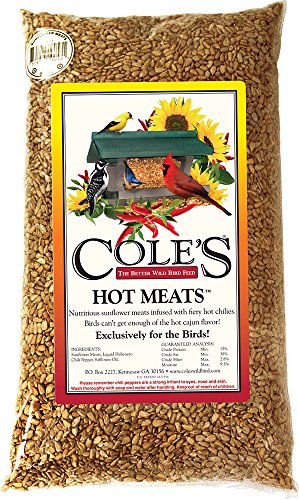
Top pick: Cole's Hot Meats Sunflower Hearts, 5 lb · #ad
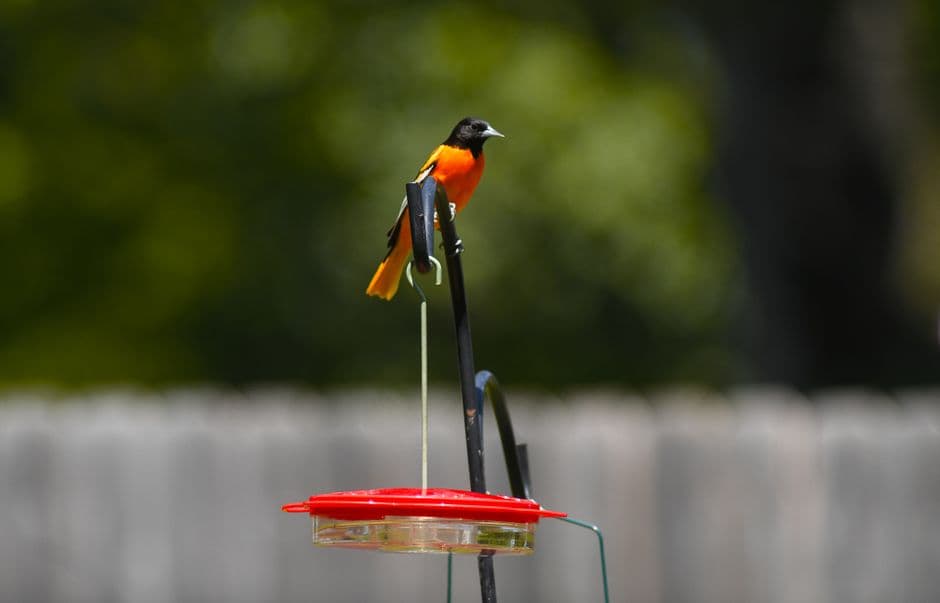
Best Oriole Feeder
Everything an oriole eats is sugar, so ants and wasps are the real threat rather than squirrels. Ant moats, covered jelly, the 1:6 nectar ratio, and the hygiene this feeder actually needs.
Scooter M.
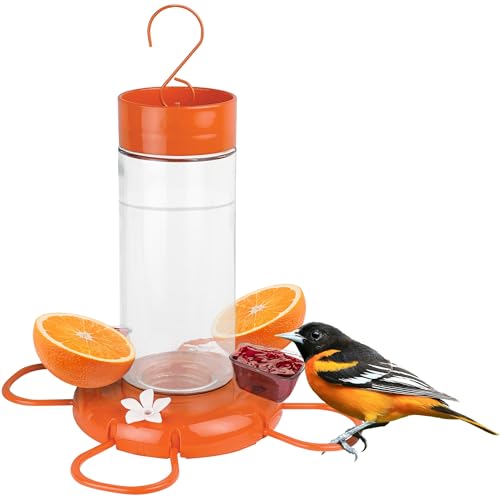
Top pick: Nature's Way Glass Oriole Feeder, 30 oz, with Ant Moat · #ad
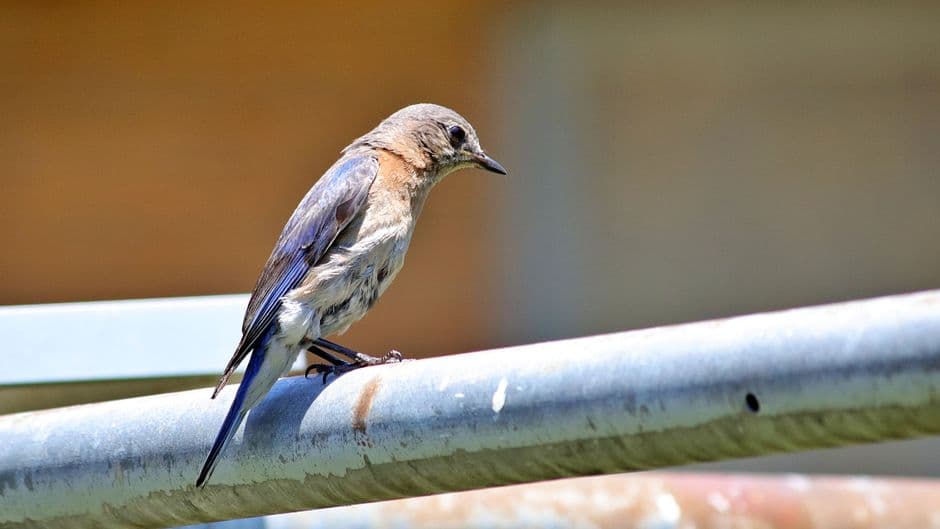
Best Bluebird Mealworm Feeder
A bluebird feeder is an exclusion box: the entrance hole keeps starlings and jays off expensive mealworms. Which feeders publish that dimension, and how to get the birds to use one.
Scooter M.
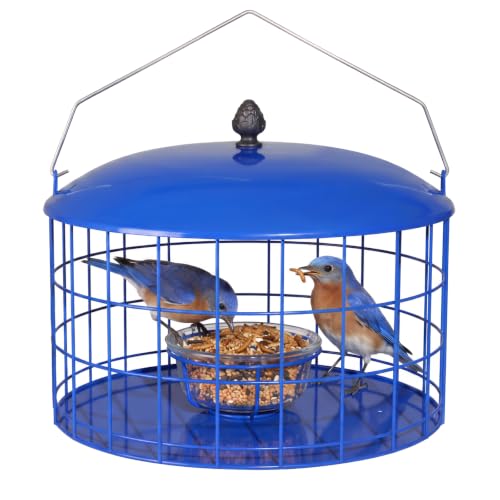
Top pick: Veehoo Caged Bluebird Feeder, wide platform · #ad
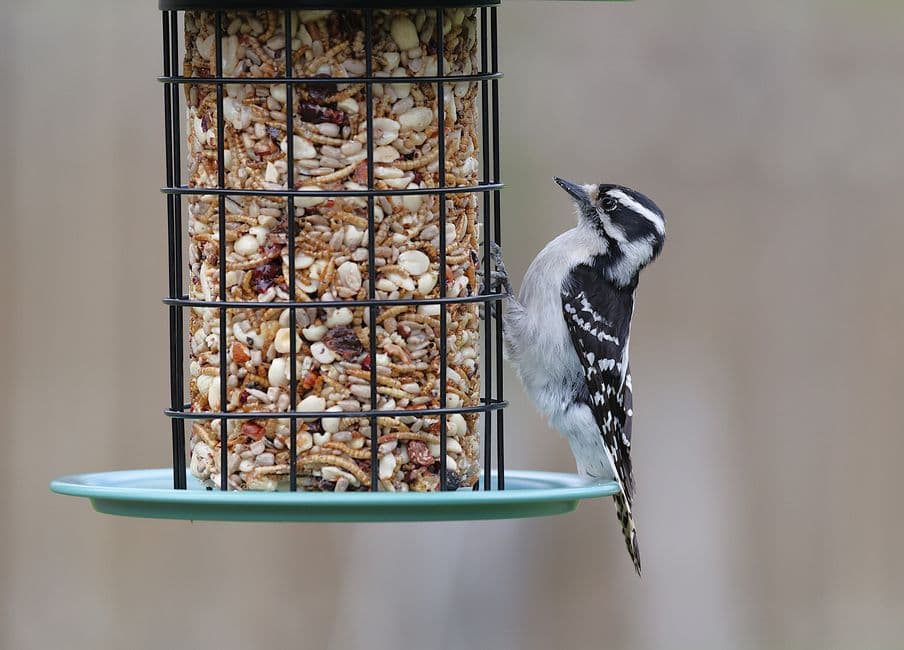
Best Woodpecker Feeder
Suet reached only from below is starling-resistant and woodpeckers use it without hesitating. The upside-down holders, peanuts for the warm months, and why a perch is beside the point.
Scooter M.

Top pick: Erva SUET3S Upside-Down Suet Feeder, copper-finish roof · #ad
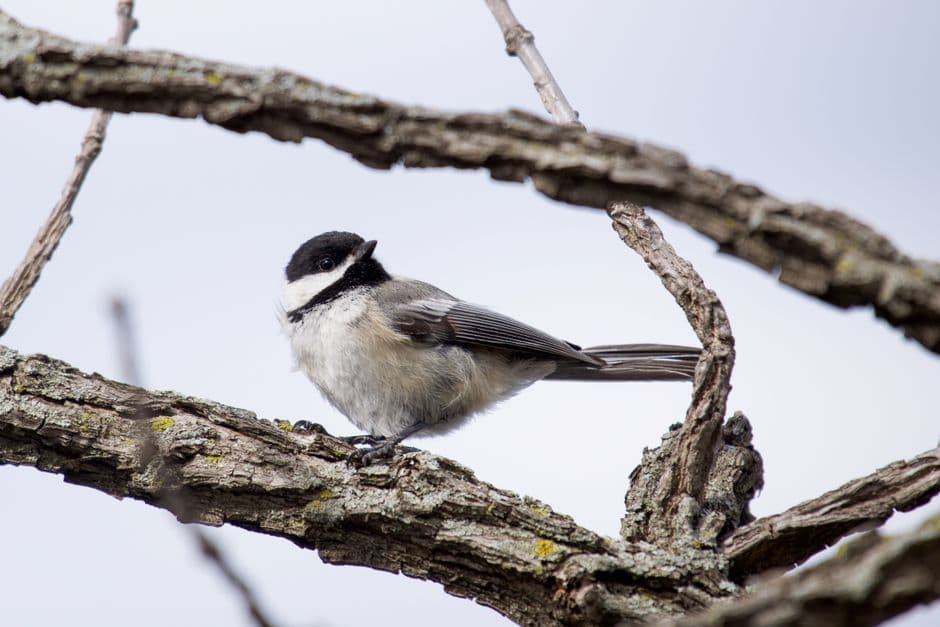
Best Feeder for Chickadees and Nuthatches
Small clinging birds are the one group a cage costs you nothing with. Short perches, why small capacity is a feature, and the three published foods that work.
Scooter M.
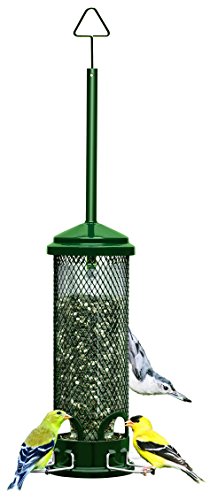
Top pick: Brome Squirrel Buster Mini, 1 lb · #ad
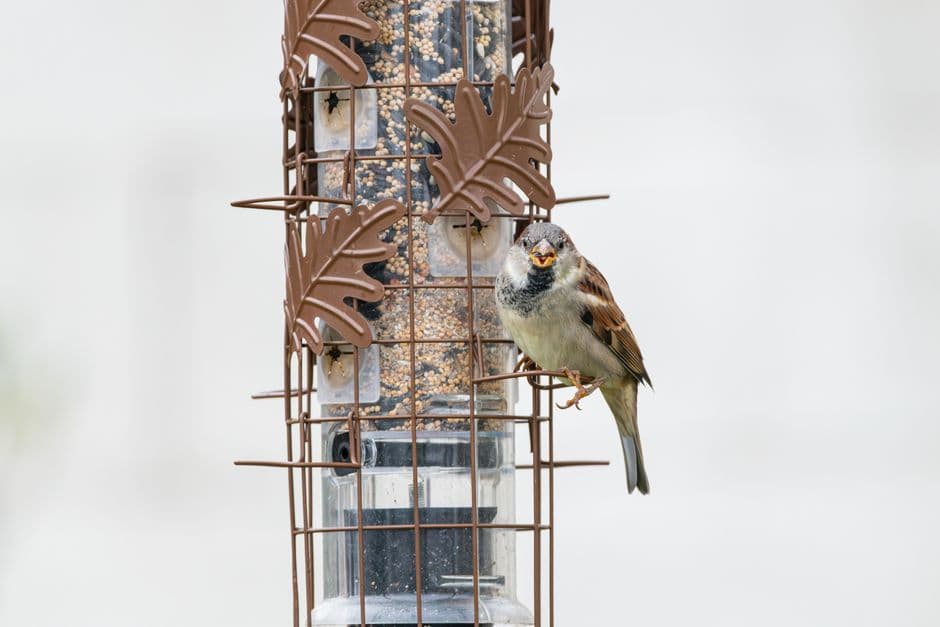
Best Large-Capacity Feeder
A big hopper buys fewer refills and costs selectivity, seed freshness and load on the mount. Published capacities against published mechanisms - they run in opposite directions.
Scooter M.
Top pick: Woodlink Absolute II (7536) · #ad
Feeder marketing is a wall of adjectives over a very small number of actual ideas. Reduced to mechanism, there are three, and the choice between them is not about quality:
The decision falls out of that almost immediately. Chipmunks and red squirrels defeat weight mechanisms because they are too light to trip them. Starlings and grackles defeat cages less often than people expect but do defeat weight settings tuned for cardinals. And a spinning feeder solves the case where there is no pole to baffle at all.
Every mechanism above is a second line of defense. The first is where the feeder hangs. Cornell's advice is to position feeders at least 10 feet from jumping-off points, and the Alabama Cooperative Extension System puts a gray squirrel's horizontal jump at roughly eight feet. A squirrel-proof feeder six feet from a fence rail is a squirrel-proof feeder being tested every single day.
Get the placement right and a plain tube feeder will often hold. Get it wrong and you will find out exactly how good the mechanism is, repeatedly, until something plastic gives way. The clearance guide has the numbers and the sources.
| Mechanism | Excludes | Does not exclude | Ongoing cost |
|---|---|---|---|
| Weight-activated | Gray squirrels, larger nuisance birds when adjusted | Chipmunks, red squirrels, anything below the trigger weight | Occasional cleaning so the shroud keeps sliding freely |
| Caged | All squirrels, chipmunks, starlings, grackles | Nothing small enough to pass the cage — including some birds you want | None; there is nothing to calibrate or wear out |
| Spinning | Anything heavy enough to trip the perch | Light animals, and anything feeding from a spilled-seed tray below | Recharging, plus a motor exposed to weather |
Capacities, port counts and mechanisms are published figures from each maker's listing and are cited on the individual picks.
Suet gets raided harder than seed, and a squirrel will carry a whole cake off rather than eat at the feeder. A cage is the only mechanism that reliably works there, because there is no weight trigger to tune on a suet holder. Caged suet feeders covers that case separately, including the starling problem that usually arrives with it.
If the feeder is on a pole, a baffle is usually a cheaper fix than a new feeder, and the two together are better than either alone.
One category deserves its own warning: camera feeders publish no exclusion mechanism at all. Several publish a chew-proof metal body, which protects the camera rather than the seed. They are worth owning — a camera is the fastest way to find out which animal is actually raiding you — but they are not a squirrel solution and the listings rarely say so.
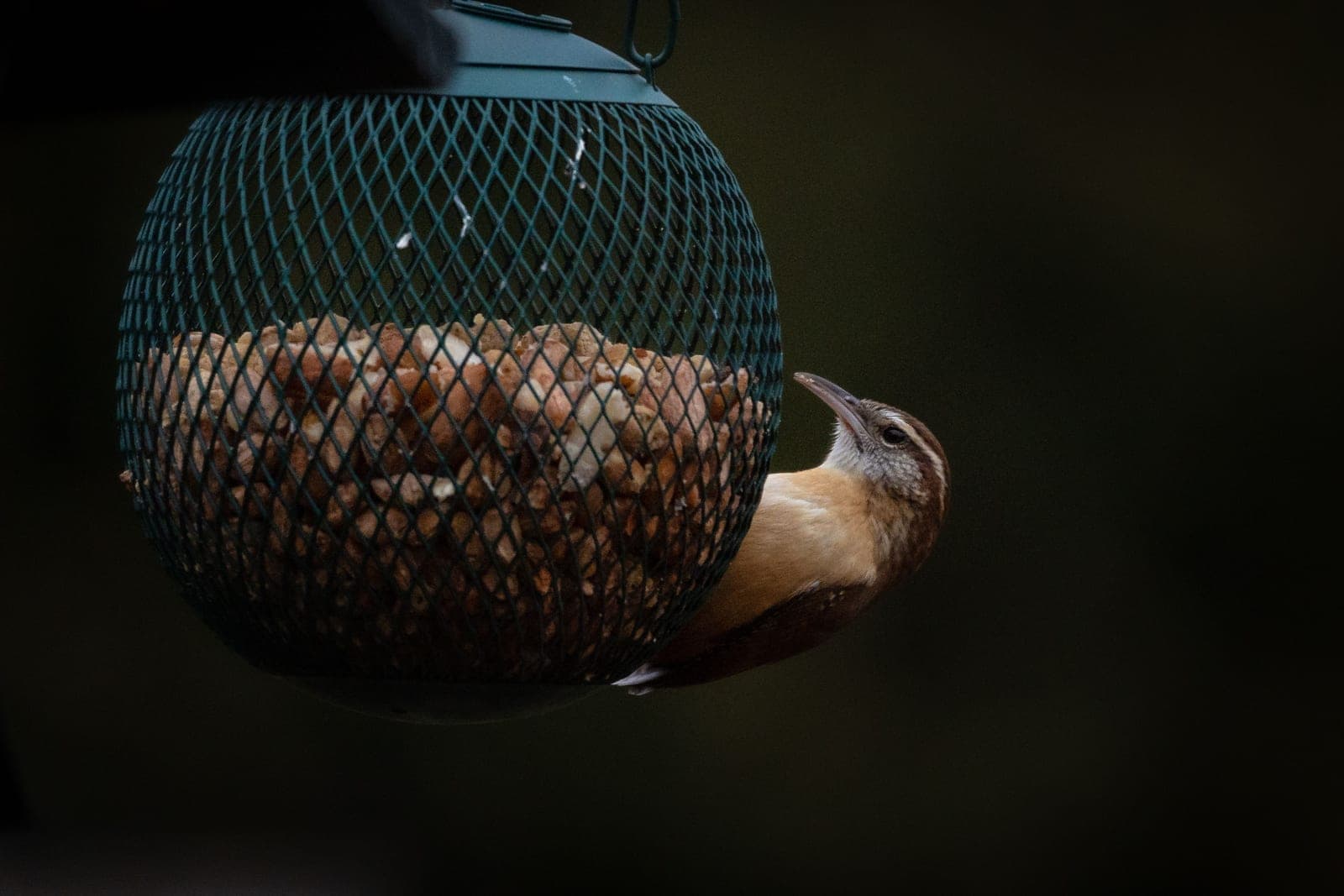
Comparison
Mass versus geometry: which mechanism stops which animal, and what each one costs you in birds.
Scooter M.
Top pick: Brome Squirrel Buster Plus · #ad
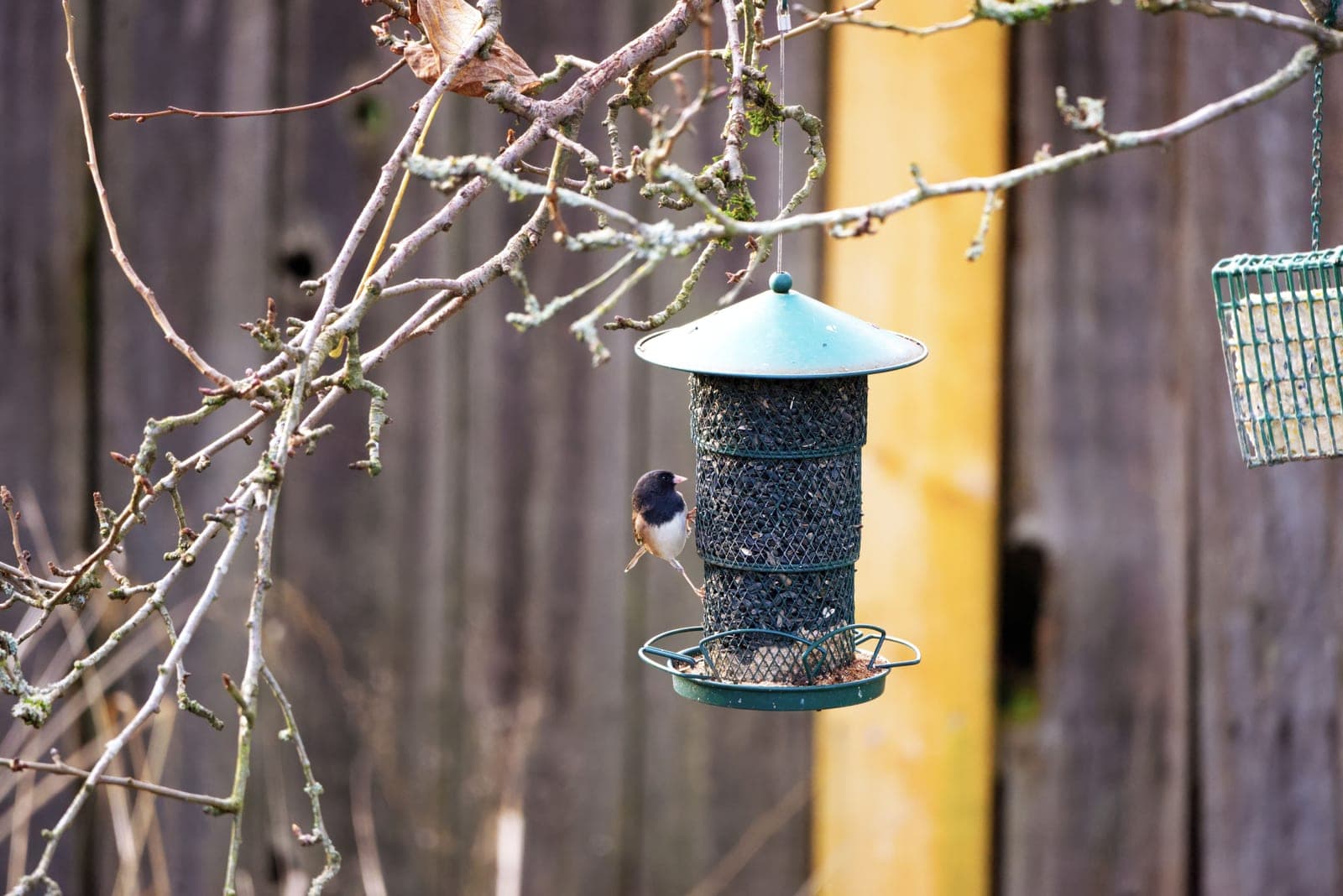
Fitment
How the shroud and perch-bar mechanisms work, what the adjustment is really for, and where they stop.
Scooter M.
Top pick: Brome Squirrel Buster Plus · #ad
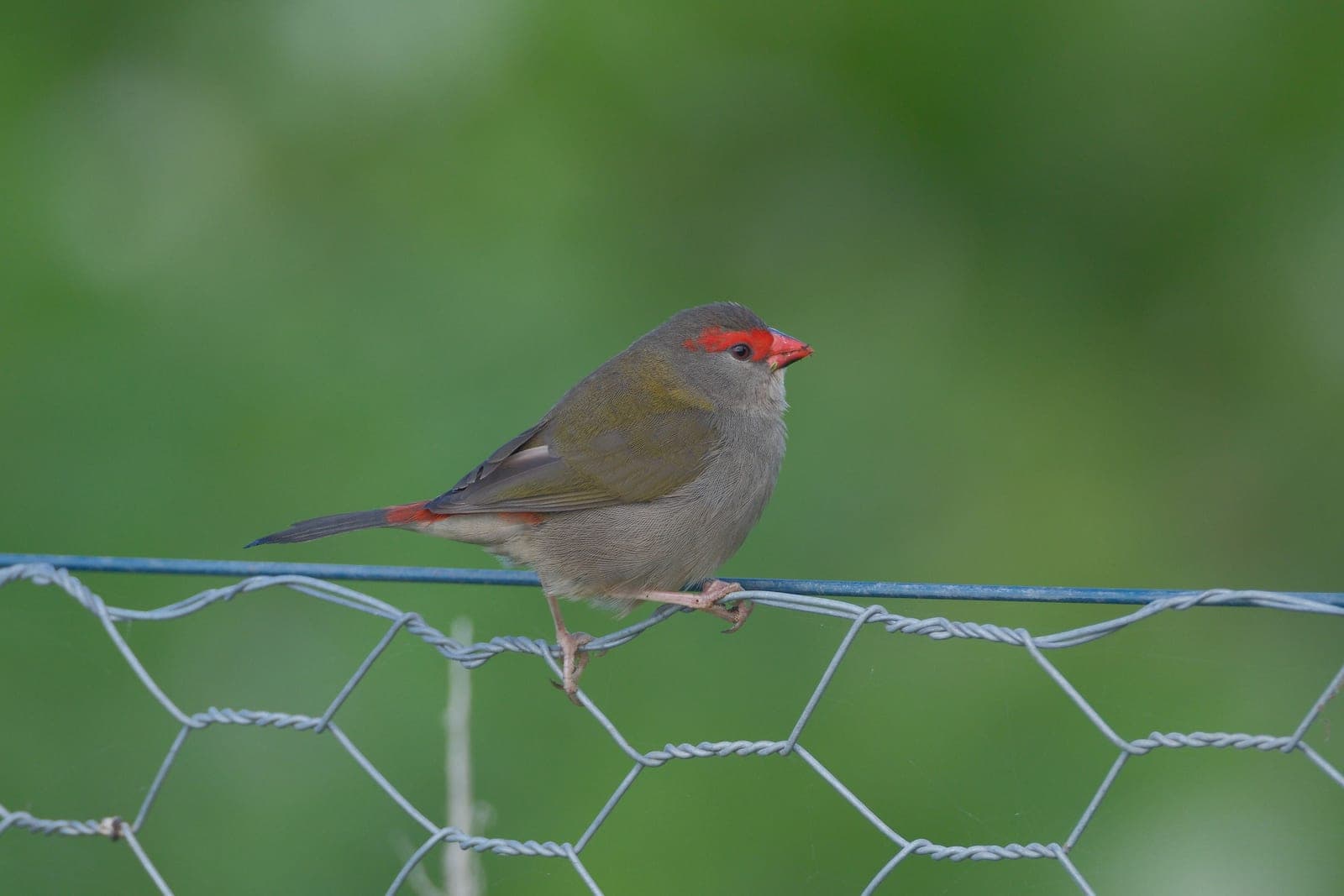
Fitment
Exclusion by size rather than weight: the mechanism that beats chipmunks, red squirrels and starlings.
Scooter M.

Top pick: Woodlink WLCAGE2 Designer Caged 4-Port Tube Feeder · #ad
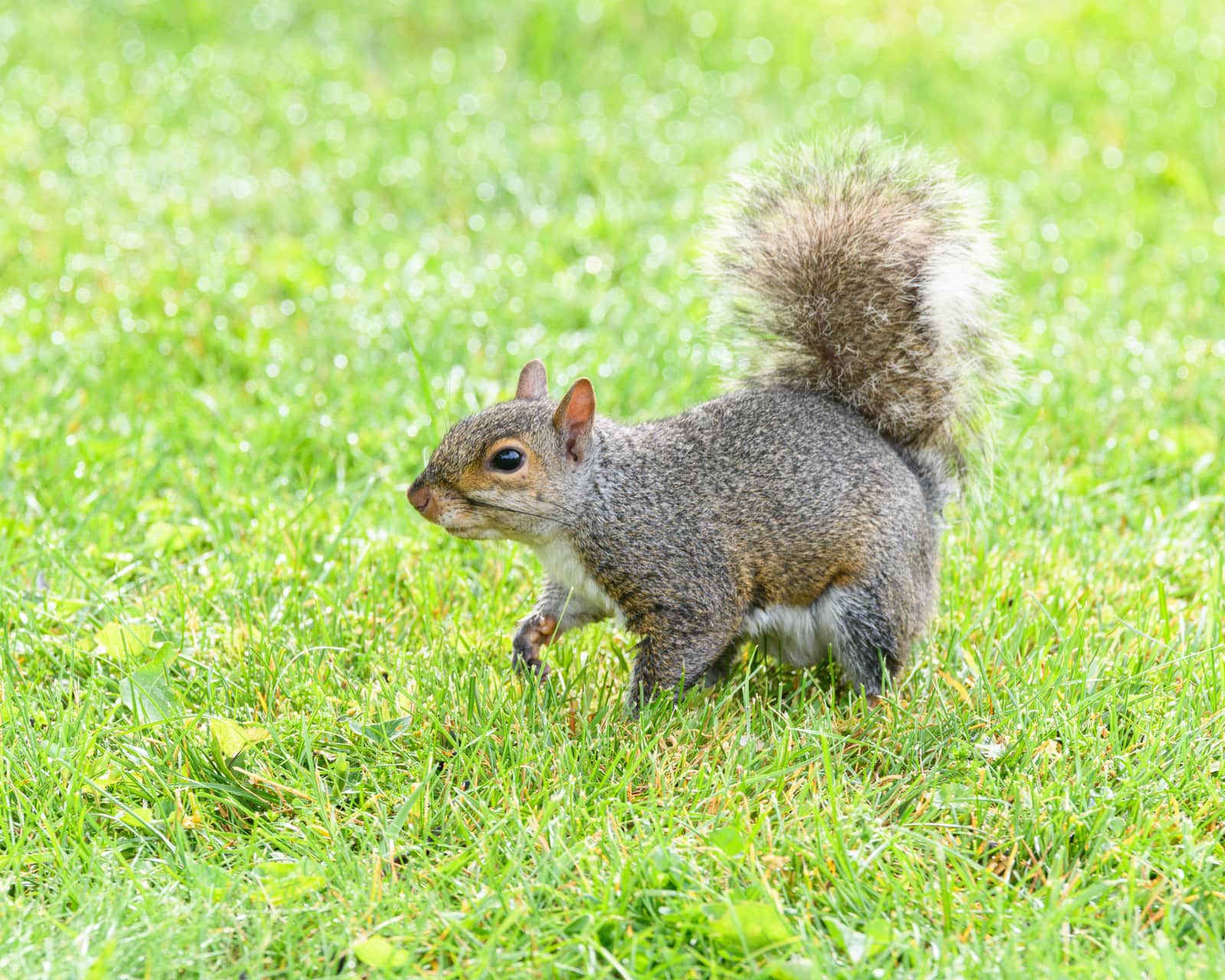
Fitment
A motorized perch that works without geometry, and the recharging routine that comes with it.
Scooter M.

Top pick: Droll Yankees Yankee Flipper · #ad
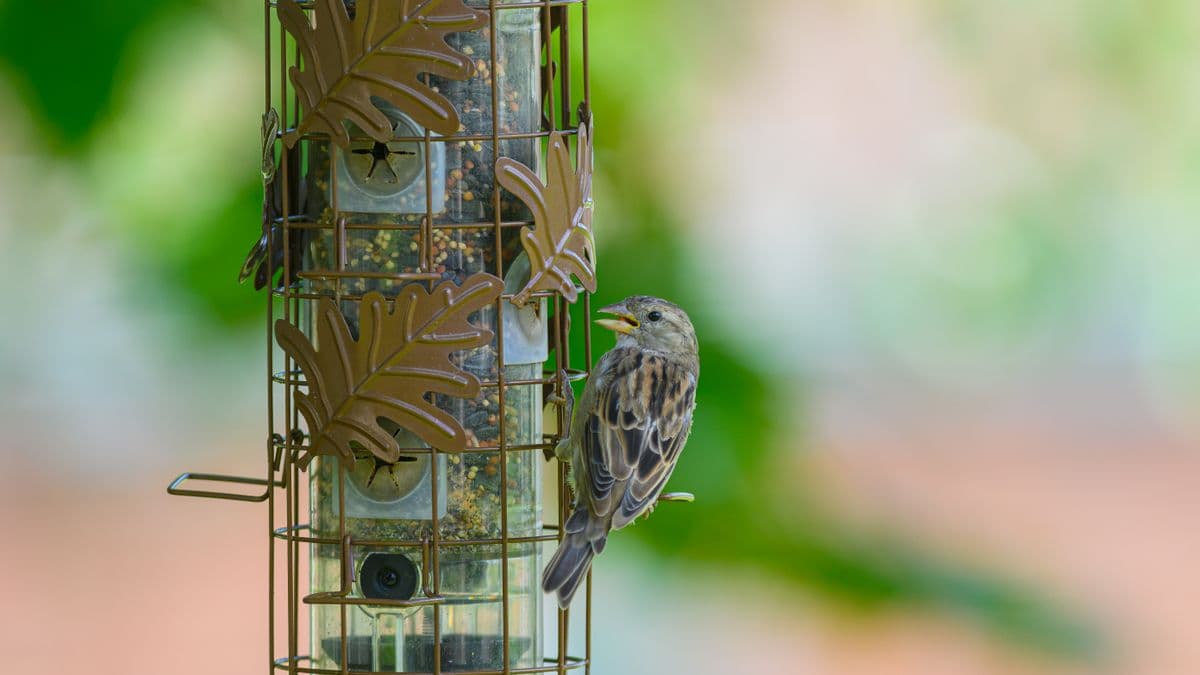
Comparison
Neither publishes a squirrel mechanism. One publishes a chew-proof body and sells a baffled pole; the other publishes its sensor. The verifiable differences.
Scooter M.
Top pick: Birdfy Smart Feeder, All-Metal Solar · #ad
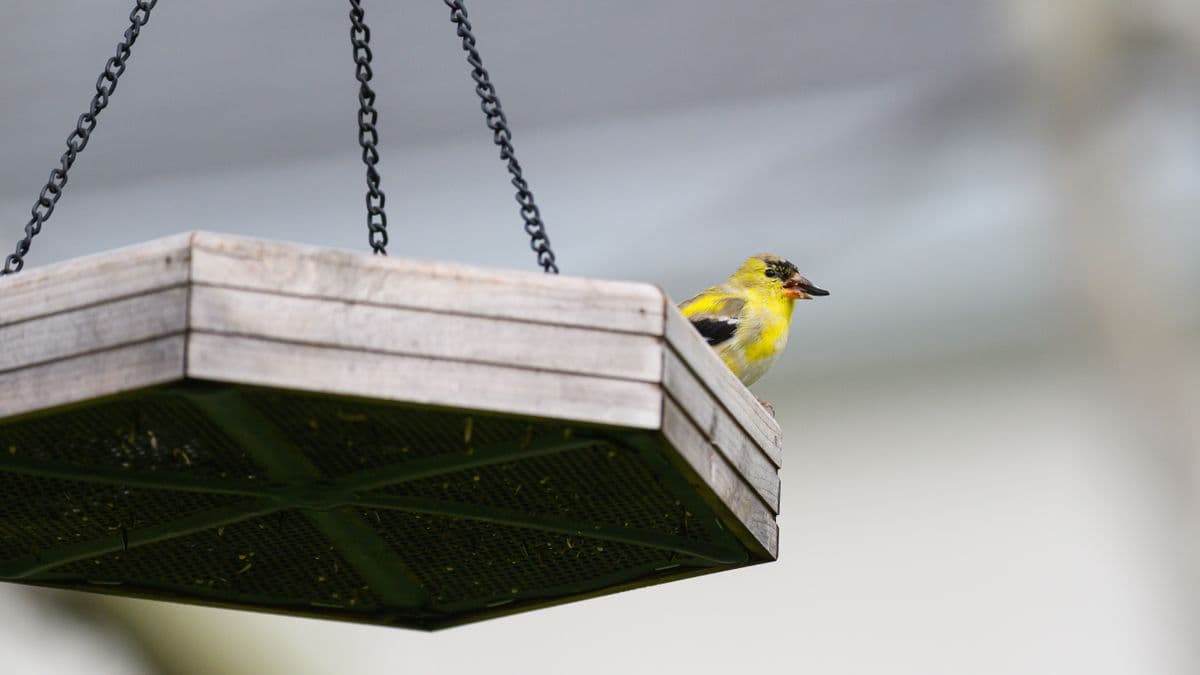
Comparison
Five Brome feeders, one mechanism. Capacity, cardinal rings, water handling and adjustability are the whole decision — the squirrel-proofing does not differ.
Scooter M.
Top pick: Brome Squirrel Buster Plus · #ad
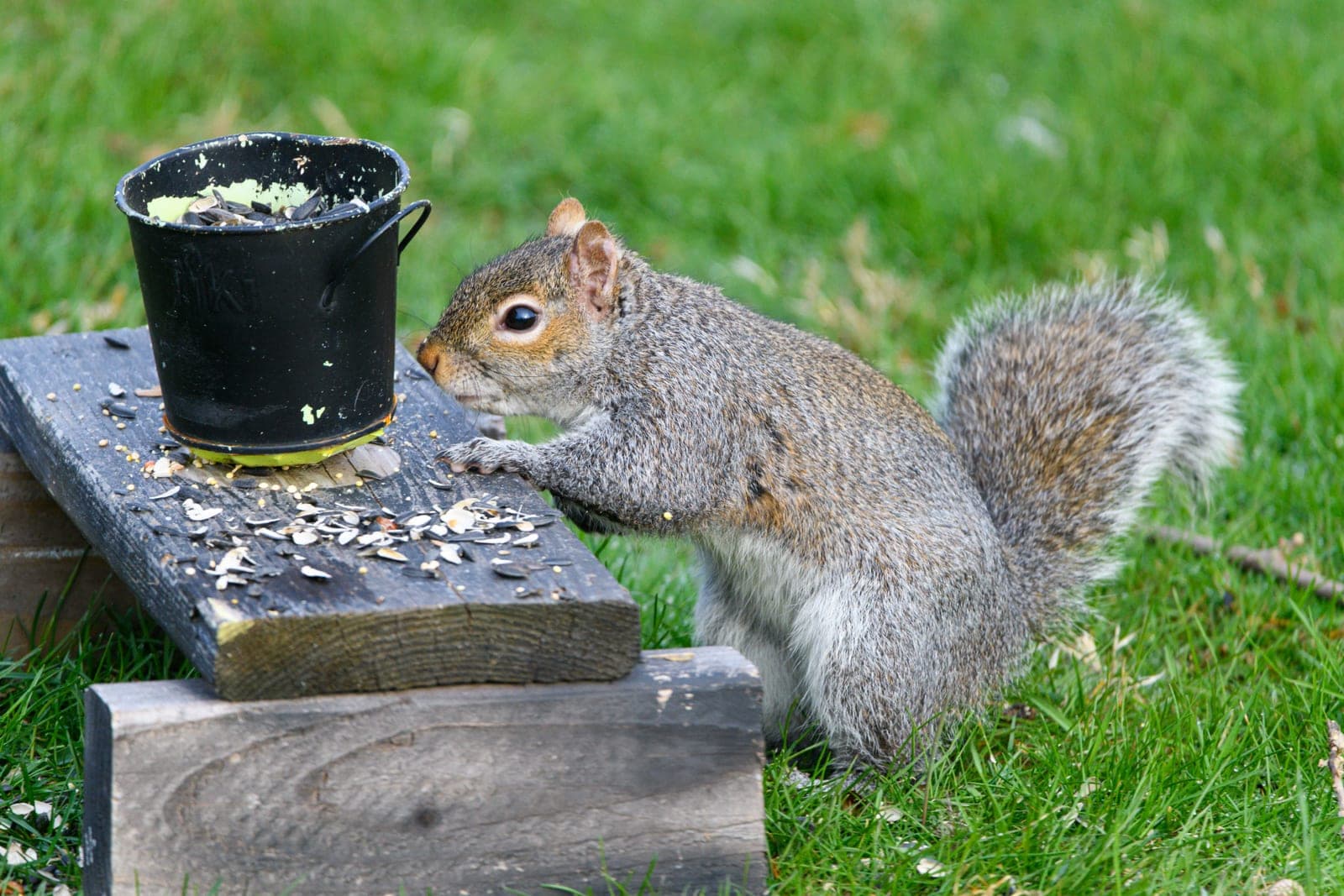
Guide
Seven methods ranked by reliability rather than by how often they get recommended. The best one is free.
Scooter M.
Top pick: Brome Squirrel Buster Plus · #ad
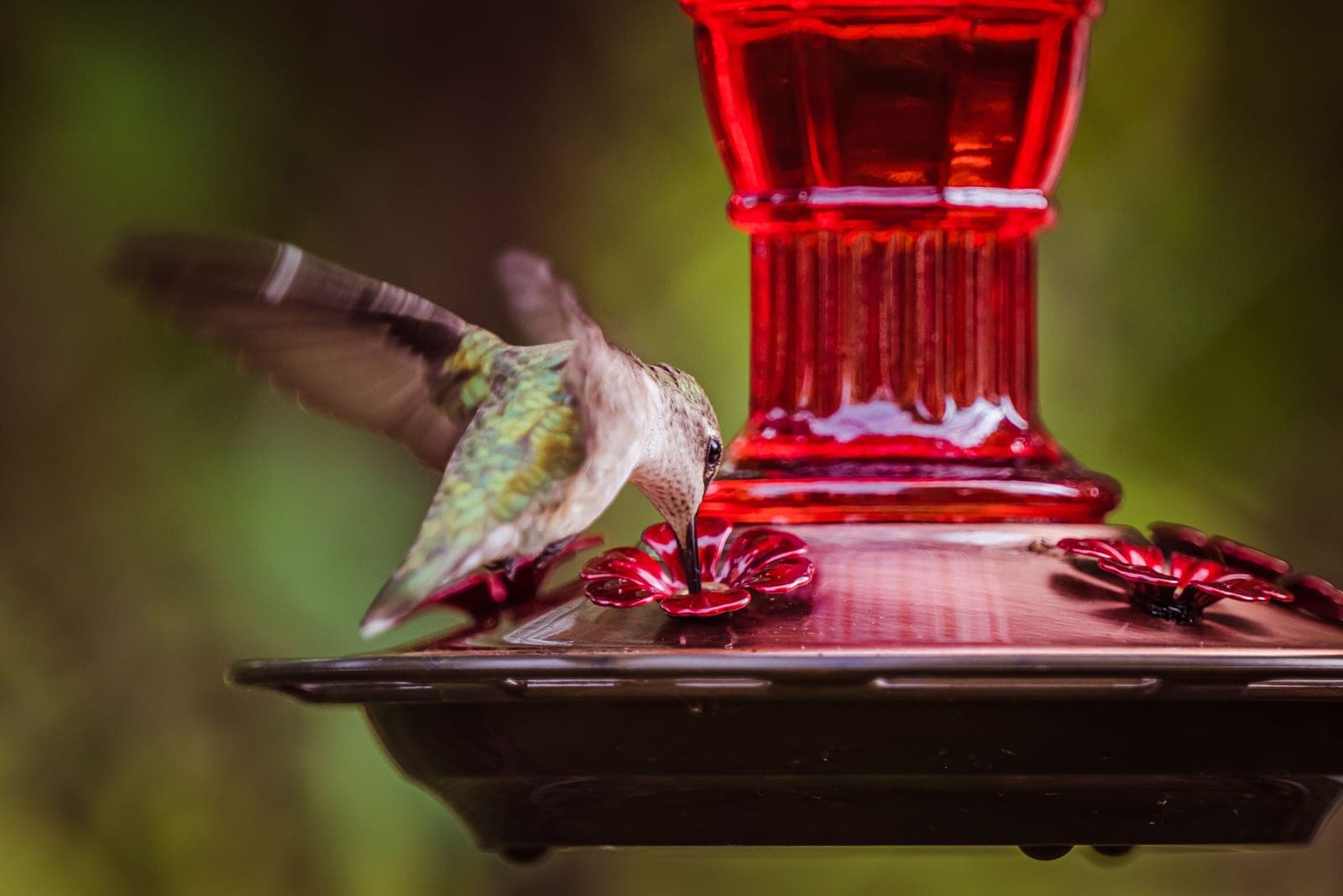
Guide
Ants first, bees second, rain third, squirrels a distant fourth. The water barrier you can watch working.
Scooter M.

Top pick: Standalone Ant Moat, 4.2 oz · #ad
Guide
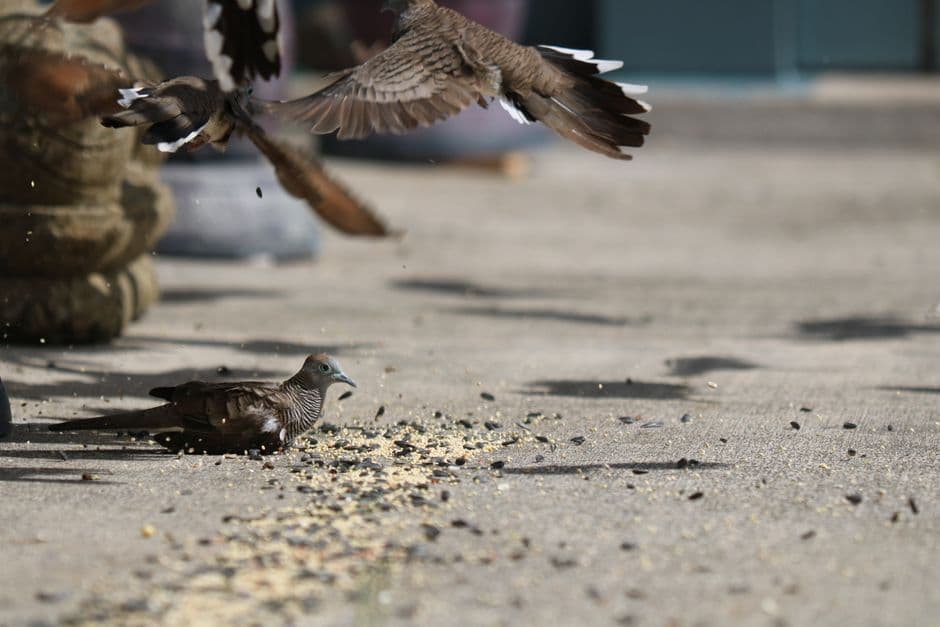
Rats under a feeder are eating what falls, not what hangs. Catch the spill, store the seed in metal, clear the ground at dusk - and why rodenticide is the wrong tool in a yard full of birds.
Scooter M.

Top pick: 6 Gallon Galvanized Steel Seed Can with Lid · #ad