Garden / Comparison
Netting vs cages
Netting covers more ground for less money. A cage cannot be lifted, dug under or entangled in. The right choice depends on whether the animal is browsing or working.
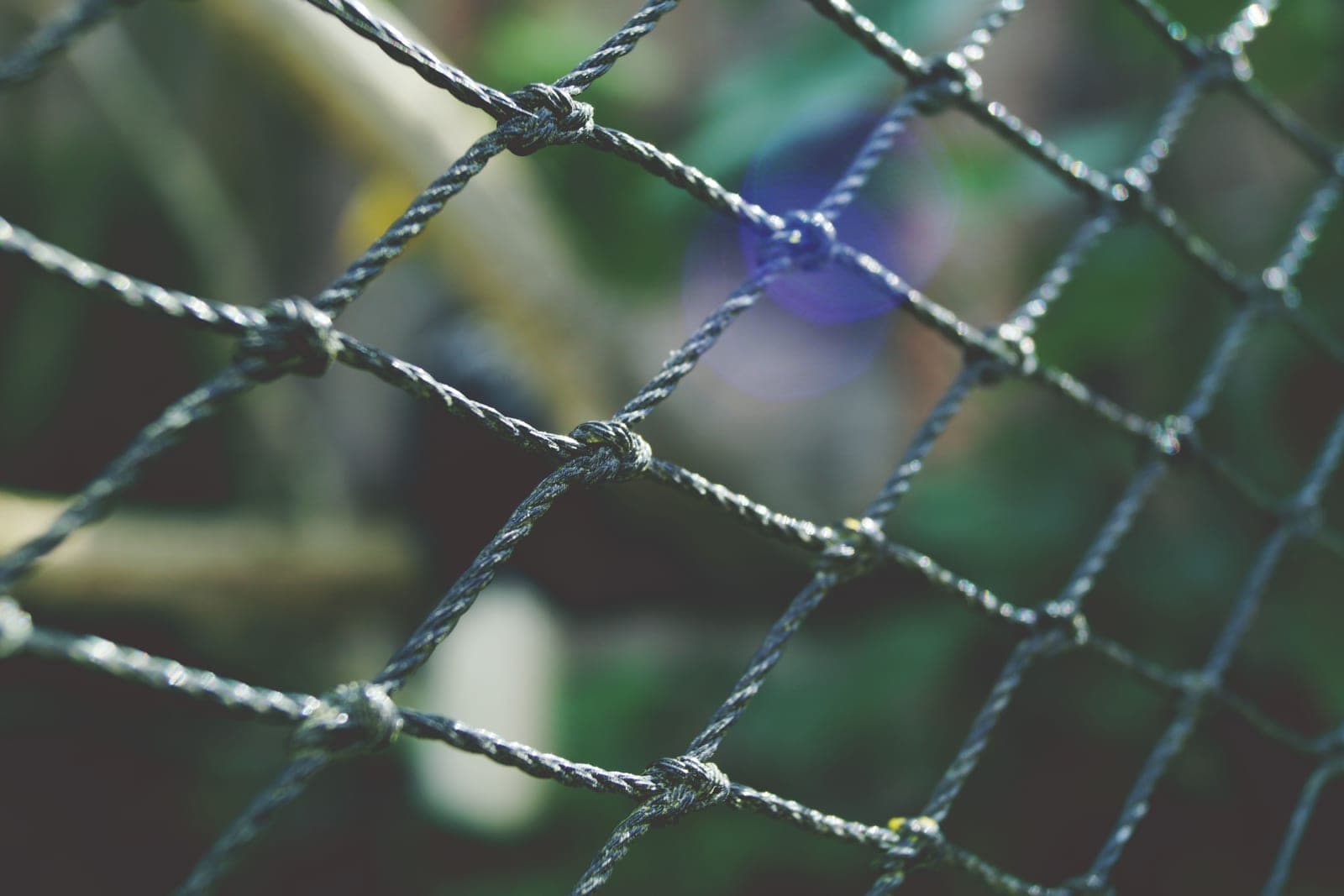
Use a cage where an animal is actively working the bed — digging, pulling, lifting — because a rigid structure cannot be worked under. Use netting where the pressure is browsing or birds, and where covering a large area cheaply matters more than rigidity.
| Netting | Cage | |
|---|---|---|
| Cost per square foot | Low | High |
| Rigidity | None — it drapes | Full — it holds its shape |
| Can be worked under | Yes, if an edge is slack | Only if the skirt is unpinned |
| Entanglement risk | Real, if left slack | None |
| Best against | Birds, browse, winter protection | Squirrels, chipmunks, rabbits, anything digging |
| Blocks pollinators | Yes, at fine mesh | Yes |
| Storage | Rolls away | Folds flat, but bulkier |
Baffleworks is funded by affiliate commission. If you buy through a link on this page we may earn a commission at no extra cost to you, and it never decides a ranking. Full disclosure · how we pick.
Quick picks
Ranked, with the trade-off named. Tap a row for the full write-up; the price button goes straight to Amazon.
| # | Product | Best for | Price |
|---|---|---|---|
| 1 |  ANC POP Pop-Up Mesh Plant Cover, 2-packANC POP's pop-up cage, sold as a pair. The single-unit listing is gone, so this is now the only way to buy this cage. | Two beds at once | $51.99 on Amazon |
| 2 |  Tenax Deer Netting, 7 ft x 100 ftNetting rather than fence: lighter, easier to drape over a shrub or a bed, and not pretending to be a perimeter barrier. | Draping and small enclosures | $53.34 on Amazon |
| 3 |  Pop-Up Raised Bed Mesh Cover with Zipper Door, 45 inA cover that comes up with its frame already in it, and the only one on this shelf publishing a zipper door — you unzip to pick instead of lifting the whole thing off the row. | Strawberries and low crops | $14.99 on Amazon |
#ad how we are funded · price as of October 24, 2026
The picks in full
Top pick Two beds at once
ANC POP Pop-Up Mesh Plant Cover, 2-pack
ANC POP's pop-up cage, sold as a pair. The single-unit listing is gone, so this is now the only way to buy this cage.
Published specifications
- Dimensions
- 40 x 40 x 30 in each (published)
- Quantity
- 2
- Stakes
- 8 ground stakes
- Assembly
- Pop-up, folds flat
Trade-offs
- Two beds covered from one purchase, which suits a plot where more than one bed is under pressure
- Identical footprint, so beds can be laid out to one dimension
- You are committed to the 40 in module whether or not your beds match it
- The published 30 in height caps what you can grow under it
Who it is forA vegetable plot with more than one bed under pressure, which is most vegetable plots by midsummer.
Skip it ifYou have one bed and do not want a spare. There is no single-unit listing for this cage any more, so the cheaper two-pack covers on this page are the alternative.
#ad how we are funded · price as of October 24, 2026
Where these specifications came from
No. 2 Draping and small enclosures
Tenax Deer Netting, 7 ft x 100 ft
Netting rather than fence: lighter, easier to drape over a shrub or a bed, and not pretending to be a perimeter barrier.
Published specifications
- Height
- 7 ft (published)
- Length
- 100 ft
- Material
- Black polypropylene
- Structure
- Quadrangular mesh (published)
Trade-offs
- Light enough to throw over a shrub or a fruit cage without a post system
- Cheap enough per foot to protect a lot of individual plants
- Not a perimeter fence, and treating it as one is how people conclude that deer fencing does not work
- Loose netting can entangle wildlife if it is left slack and unpegged
Who it is forIndividual shrubs, small beds and winter protection on ornamentals, rather than a garden boundary.
Skip it ifYou want a perimeter. Buy the fence, set posts, and tension it — the height guide explains why the two are not interchangeable.
#ad how we are funded · price as of October 24, 2026
Where these specifications came from
No. 3 Strawberries and low crops
Pop-Up Raised Bed Mesh Cover with Zipper Door, 45 in
A cover that comes up with its frame already in it, and the only one on this shelf publishing a zipper door — you unzip to pick instead of lifting the whole thing off the row.
Published specifications
- Dimensions
- 45.3 x 21.7 x 17.7 in (published)
- Frame
- Pop-up, integrated (published)
- Access
- Zipper door (published)
- Mesh
- Mesh plant netting (published); no aperture published
- Anchoring
- Stakes included (count not published)
- Named use
- Raised beds, vegetables, seedlings, strawberries (published)
Trade-offs
- Pops up with the frame already in it, which is the whole argument against hoop-and-drape kits
- A zipper door, which nothing else on this shelf publishes — you pick without lifting the cover off the row
- The listing names strawberries specifically rather than just 'plants'
- At 45.3 in long it covers a bed row, and at 17.7 in it stands taller than the 39 x 18 x 16 row protector
- The listing publishes no pack count, so order on the assumption that it is one cover
- Publishes no mesh aperture, so its exclusion range is a claim rather than a figure
- Fabric mesh: a bird and insect barrier, not a squirrel one
- At 17.7 in it suits strawberries and salad crops and nothing that stands up
Who it is forA strawberry row or a bed of salad crops with a bird and insect problem, and no patience for assembly.
Skip it ifThe animal digs. Hardware cloth is the answer there, and no polyester mesh will hold a determined rodent.
#ad how we are funded · price as of October 24, 2026
Browsing versus working
The useful distinction is not the animal's species but its behavior. A browsing animal takes what is within reach and moves on: birds on fruit, deer on a shrub edge, rabbits along a row. A layer of mesh between mouth and plant is enough.
A working animal solves problems. Squirrels and chipmunks lift, dig, pull and probe, and they will find a slack edge in a morning. Against that behavior a drape is a puzzle rather than a barrier, and rigidity is what you are buying.
Cost, honestly
Netting wins on area by a wide margin. A 100 ft roll covers more ground than any number of cages at the same price. If you are protecting a fruit cage, a hedge, or several shrubs through winter, netting is obviously right and a cage would be absurd.
Cages win on a small, valuable, actively-raided bed. A 40 in square of seedlings that will otherwise need resowing is worth a rigid cover. This is not really a price comparison; it is a match of tool to problem.
The failure mode of each
- Netting fails at the edges and by going slack. Both are maintenance failures rather than product failures, and both are avoidable with pins and a check after storms.
- Cages fail by not fitting, and by not being pinned. Buy from listings that publish dimensions — ANC POP states 40 x 40 x 30 in and the hoop kit states 0.05 in mesh — and count the stakes.
- Both fail against deer, which need 8 to 10 ft of tensioned fence per Michigan State University Extension.
- Both fail against rabbits long-term, compared with 2 ft of buried wire. Colorado State University Extension is clear that burial is what makes rabbit fencing work.
The combination most gardens end up with
Cages on the seedbeds and the high-value rows, netting over the fruit and the shrubs, and a permanent buried wire line if rabbits are a standing problem. That is three tools doing three jobs, and it is cheaper than trying to make one of them do all three.
The crop that tests this choice hardest is the tomato, which outgrows every cage and is taken one bite at a time. How to keep squirrels from eating tomatoes applies the netting-versus-cage logic to that plant specifically.
How we picked
- We started from the published exclusion spec for each animal, taken from cooperative extension services rather than from product listings.
- We preferred products that publish dimensions, because a barrier you cannot check against your bed is a barrier you may have to return.
- We separated barriers by what they exclude. A 30 in mesh cage and an 8 ft deer fence are not competing products, and treating them as though they were is how people conclude that exclusion does not work.
- We named at least one product to skip on every page, with the reason.
- We have not installed any of these. How we pick sets out what that does and does not cover.
Everyone in this category says they tested twenty of these. We have not tested any, and we say so. What we did instead: read the manuals, compiled the published specifications, worked out the clearance geometry, and cited every source. The full method is published.
Questions people actually ask
- Is netting or a cage better for a raised bed?
- A cage, if something is digging or working the bed. Netting is fine for birds and light browse but a slack edge is a door for a squirrel or a chipmunk.
- Is garden netting cheaper than cages?
- Much cheaper per square foot. That is why it wins for fruit cages, hedges and shrubs. On a small, actively-raided seedbed, a rigid cage is the better tool regardless of price.
- Do cages stop rabbits?
- While they are over the bed, yes. For a permanent fix Colorado State University Extension specifies fencing at least 2 ft high and buried 4 to 8 in, which protects the whole plot rather than one bed.
- Will either keep deer out?
- No. Deer need a tensioned perimeter at 8 to 10 ft per Michigan State University Extension. Cages and drape netting are for smaller animals.
Sources
Read next
- The best plant cages and cloches
Pop-up cages and cloches ranked by published dimensions and how well the skirt actually pins down.
- The best garden netting
Cheap protection by the square foot, and the mesh sizes and pinning that decide whether it works.
- Rabbit fencing
Two feet high, buried four to eight inches, one inch mesh. The one garden problem with a published answer.
- How to keep chipmunks out of the garden
Too light for a weight mechanism, small enough to pass 2 in mesh. Why the answer is a finer aperture.
- Garden Protection
Cages, cloches, netting and rabbit fencing, sized to the animal doing the damage rather than to the bed.